
 Contatto
 Come acquistare
Consegna
Guida all'acquisto
 Inglese
 300 b
300 b
30 giorni per il reso
I clienti hanno acquistato anche



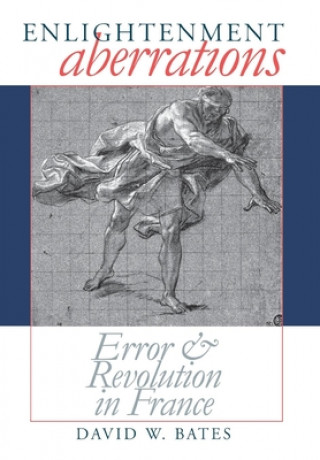
In Enlightenment Aberrations, David W. Bates shows that error was a complex, important, and by no means entirely negative concept in Enlightenment thought, one that had a decisive influence in revolutionary debates on political identity and national history. What can it mean to write a history of error? In Bates's view all philosophy, insofar as its project is the search for truth, begins in error. If truth is posited as a goal to be attained, not as a given of some kind, then error assumes a central role in the quest for truth. Going beyond both liberal celebrations and postmodern critiques of Enlightenment reason, Bates reveals just how crucial the problematic relation between human "wandering" and the mystery of truth was in eighteenth-century thought.The author draws on a wide range of Enlightenment thinkers, including Etienne Bonnot de Condillac, Jean d'Alembert, Marie-Jean-Antoine-Nicolas Caritat, Marquis de Condorcet, Jean-Jacques Rousseau, and Charles Bonnet, showing how they wrestled with the "risk and promise" of error. He then demonstrates how the concept of error and its dialectical relationship to truth played out in the political culture of the French Revolution, particularly in the Terror. In the final chapters, Bates looks at the post-revolutionary transformations of the Enlightenment discourse of error and its subsequent history in modern European thought.


Informazioni sul libro
Inglese

Regala questo libro oggi stesso
È facile
1 Aggiungi il libro al carrello e scegli la consegna come regalo 2 Ti invieremo subito il buono 3 Il libro arriverà all'indirizzo del destinatarioPotrebbe interessarti anche





 /
/
 In brossura
 36.99
€
36.99
€





 /
In brossura
15.79
€
/
In brossura
15.79
€
Ciao! Sono Libroamiko, il tuo consulente di libri.
Come posso aiutarti?