
 Contatto
 Come acquistare
Consegna
Guida all'acquisto
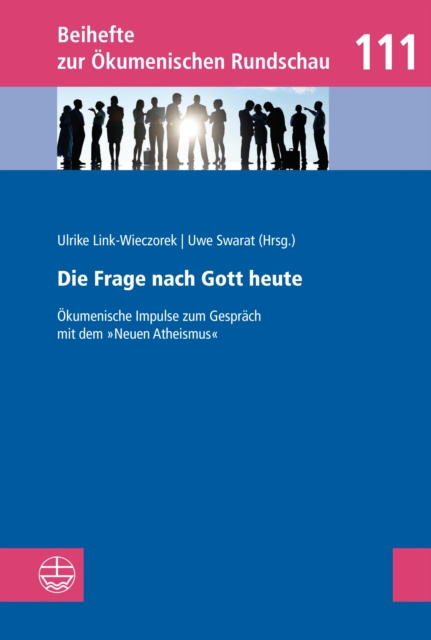
Die Frage nach Gott heute
 Tedesco
 32 b
32 b
I clienti hanno acquistato anche



 /
/
 In brossura
 62.09
€
62.09
€

 /
In brossura
10.29
€
/
In brossura
10.29
€




 /
In brossura
16.09
€
/
In brossura
16.09
€






 /
In brossura
15.39
€
/
In brossura
15.39
€



Was meinen Christinnen und Christen aus den unterschiedlichen Konfessionen, wenn sie von Gott sprechen? Geht es ihnen wirklich um einen autoritaren, alles determinierenden Gott, wie die "e;Neuen Atheisten"e; meinen? Nein, sagt dieses Buch. Gott ist Bewegung, Lebendigkeit, Wechselbeziehung, Mitgehen und Mitleiden, auch Gegenbewegung gegen das Unheil. Das Buch enthlt eine Studie, die die Mitglieder des Deutschen kumenischen Studienausschusses (DSTA) gemeinsam erarbeitet haben. Sie will den Kirchen aller Konfessionen sowie Hochschulinstituten Untersttzung fr ihre Gemeinde-, Bildungs- und ffentlichkeitsarbeit bieten. Sie ist allgemeinverstndlich geschrieben und ldt dazu ein, in den klassischen christlichen Denktraditionen auf die Erfahrbarkeit des lebendigen Gottes zu achten. [The Question of God Today. New Ecumenical Approaches to Classical Traditions of Thought. A Study of the German Ecumenical Study Committee (DSTA)]What do Christians from different denominations mean when they speak of God? Are they really concerned about an authoritarian, all-determining God, as the "e;New Atheists"e; suggest? No, says this book. God is movement, liveliness, interrelation, going with and suffering with others, also counter-movement against disaster. The book contains a study jointly carried out by the members of the German Ecumenical Study Committee (Deutscher kumenischer Studienausschuss - DSTA). It wants to offer churches of all denominations and university institutes support for their congregational, educational and public relations work. It is written in a generally understandable way and invites to consider the possibility of experiencing the living God in the classical Christian traditions of thought.


Informazioni sul libro
Tedesco