
 Contatto
 Come acquistare
Consegna
Guida all'acquisto
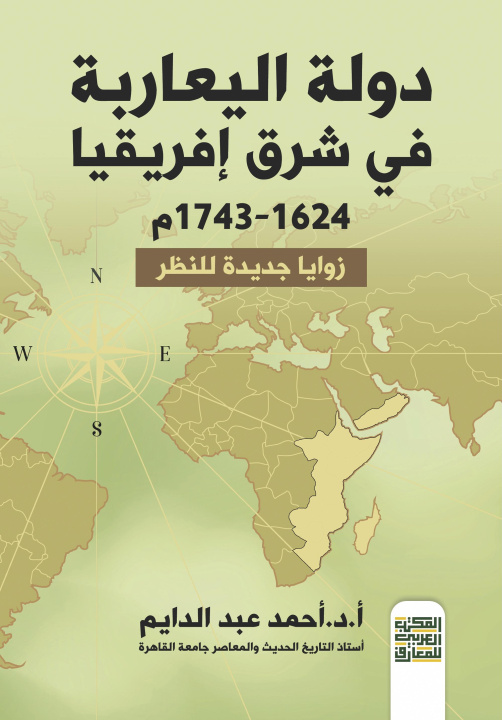
Yaruba State in East Africa - New Perspectives
 Arabo
Arabo
 43 b
43 b
 Nuovi
Nuovi

The Yaruba dynasty's intervention in East Africa during the 17th century was not driven by a desire for expansion or to extend its control and influence. Rather, it was a response to the pleas of the people of the African coast for help against the tyranny and arrogance of the Portuguese. Consequently, numerous delegations from Zanzibar, Pate, Mombasa, and other places came to the Imamate in Oman, appealing to the Omanis for intervention and seeking their aid. This occurred first after the Yaruba assumed power in Oman in 1624 and thereafter, then again after they expelled the Portuguese from their lands in 1649, and a third and fourth time during the first half of the 18th century when the Portuguese sought to regain control of the African coast after the Yaruba had liberated it from their domination. In this context, the Yaruba period in East Africa, from 1650 to 1743, witnessed significant prosperity and expansion. This period then declined with the onset of internal conflicts and foreign interventions in Oman, until it finally ended with the demise of the Yaruba rule in 1743. Thus, the Yaruba expansion along the African coast can be viewed from new perspectives by examining its impact on trade and culture, and by considering its role in strengthening relations between Oman, the Arabian Peninsula, and Africa. The Yaruba dynasty had a significant influence on East Africa, particularly after expelling the Portuguese and establishing settlements in Zanzibar and other coastal regions. Their rule was marked by widespread Omani dominance, which impacted trade, culture, and even military architecture and governance. However, internal power struggles in Oman ultimately led to their decline and the rise of the Al Bu Sa'id dynasty. Therefore, the Yaruba state's presence in East Africa can be examined from various angles, including economic, intellectual, and anthropological aspects, to gain a deeper understanding of its history there and the extent of its influence on the region's cultural, religious, and political fabric.


Informazioni sul libro
Arabo
Categorie

Regala questo libro oggi stesso
È facile
1 Aggiungi il libro al carrello e scegli la consegna come regalo 2 Ti invieremo subito il buono 3 Il libro arriverà all'indirizzo del destinatarioCiao! Sono Libroamiko, il tuo consulente di libri.
Come posso aiutarti?