
 Contatto
 Come acquistare
Consegna
Guida all'acquisto
 Inglese
 180 b
180 b
30 giorni per il reso
I clienti hanno acquistato anche












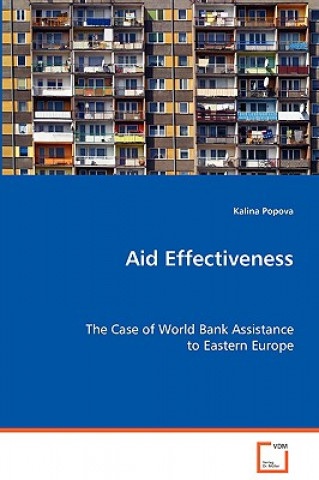
Since the success of the Marshall Plan in theeconomic recovery of Western Europe after WWIIforeign aid has been an important tool of foreignpolicy. Yet there are increasing doubts about theeffectiveness of the aid effort. Critics argue thataid is targeted to wasteful regimes and to countrieswhere the environment is not conducive to growth.This book examines aid effectiveness by asking whatdetermines which countries receive aid and how muchand what considerations dominate the donors' and therecipients' decision processes. The focus is onWorld Bank lending to Eastern Europe and thedonor-recipient relations are presented in aprincipal-agent framework. Both donors andrecipients choose to enter into an aid relationshipand the motivations behind these decisions haveimplications for the effectiveness of aid. Thetheoretical hypotheses are tested in an empiricalmodel and two case studies. The analysis shows thatWorldBank involvement has contributed to economicgrowth in Eastern Europe, but both the Bank andrecipient countries face constraints that limit theirability to meet their commitments and this in turnlimits the effectiveness of aid.


Informazioni sul libro
Inglese

Regala questo libro oggi stesso
È facile
1 Aggiungi il libro al carrello e scegli la consegna come regalo 2 Ti invieremo subito il buono 3 Il libro arriverà all'indirizzo del destinatarioPotrebbe interessarti anche







 /
/
 In brossura
 27.89
€
27.89
€
 /
In brossura
17.19
€
/
In brossura
17.19
€


Ciao! Sono Libroamiko, il tuo consulente di libri.
Come posso aiutarti?