
 Contatto
 Come acquistare

Consegna
Guida all'acquisto
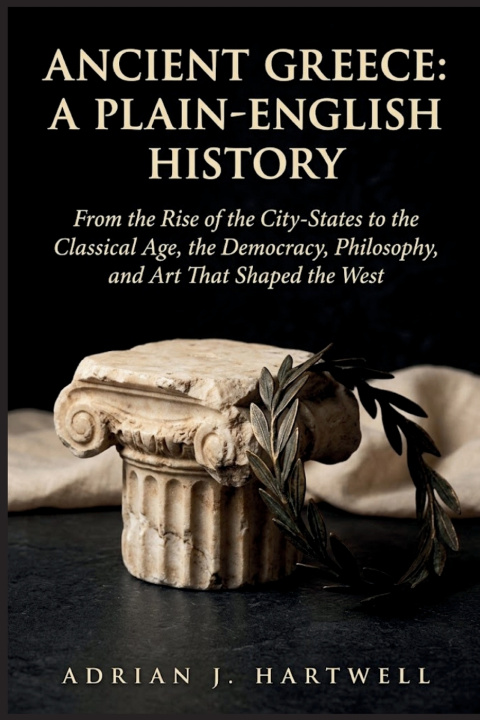
Ancient Greece
A Plain-English History: From the Rise of the City-States to the Classical Age, the Democracy, Philosophy, and Art That Shaped the West
 Inglese
 41 b
 In preparazione
 Nuovi
Fino a 30 giorni per il reso

Ancient Greece did not hand down a finished blueprint. It argued its way toward democracy, philosophy, and art.
You know the names. Athens, Sparta, Socrates, the Parthenon. The familiar version of Greece is a story of sudden genius.
This book tells a slower, stranger, and more human story. It begins in the rubble of the Bronze Age collapse and follows the rival city-states as they improvised the institutions that still shape how we vote, argue, and see beauty.
Inside, a plain-English history untangles:
- How mountains and sea split the Greek world into more than a thousand competing poleis
- Why Solon's debt reforms and Cleisthenes' reorganization of the tribes made Athenian democracy possible
- What actually happened in the Assembly, the courts, and the Council of Five Hundred
- How Thales, Parmenides, and the Sophists turned myth into argument, and what Socrates, Plato, and Aristotle did with the questions
- Why Spartan equality rested on helot labor, and what Thebes and the federal leagues tried instead
- How the Persian Wars, the Peloponnesian War, and the rise of Macedon ended the age of the independent city-state
Careful historical context runs through every chapter, including the exclusions that made Greek achievement possible: slavery, the subordination of women, and the denial of citizenship to metics.
Ancient Greece: A Plain-English History offers structured chapters, clear explanations, and a further reading list for readers who want to go deeper.
If you want a readable account that neither worships the Greeks nor dismisses them, this is the book for you. You can keep the myth, or you can meet the Greeks as they were.
Scroll up and start reading Adrian J. Hartwell's plain-English history today.


Informazioni sul libro
Inglese

Regala questo libro oggi stesso
È facile
1 Aggiungi il libro al carrello e scegli la consegna come regalo 2 Ti invieremo subito il buono 3 Il libro arriverà all'indirizzo del destinatarioCiao! Sono Libroamiko, il tuo consulente di libri.
Come posso aiutarti?