
 Contatto
 Come acquistare
Consegna
Guida all'acquisto
Aqua Tofana
 Inglese
 44 b
44 b
Fino a 30 giorni per il reso
I clienti hanno acquistato anche
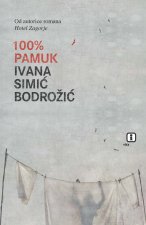




Aqua Tofana: Poison, Patriarchy, and the Women Who Chose Murder in Renaissance Italy
Between 1630 and 1659, a sophisticated criminal network operated across Italy's major cities, manufacturing and distributing Aqua Tofana-a colorless, tasteless poison that allowed hundreds of women to murder their husbands while the deaths appeared natural. Led by figures including Teofania d'Adamo, Giulia Mangiardi, and Gironima Spana, the operation disguised arsenic and lead-based poison as cosmetics and devotional items, coaching desperate clients through a four-dose protocol designed to mimic progressive illness.
This network flourished because seventeenth-century Catholic marriage law offered women no legitimate escape from abusive, financially ruinous, or simply intolerable marriages. Divorce was impossible, legal separation nearly unattainable, and wives existed under permanent legal subordination to their husbands. For women trapped in this system, poison became the only available path to the autonomy that widowhood provided.
The network's spectacular collapse in 1659 resulted in public executions, mass imprisonments, and a scandal that reverberated throughout Europe. Yet Aqua Tofana's legacy transcended its historical moment, becoming a cultural symbol that forces us to confront uncomfortable questions about justice, resistance, and what happens when legal systems systematically deny people legitimate remedies for genuine suffering. The story remains unresolved because the moral questions it raises remain unresolved.


Informazioni sul libro
Inglese

Regala questo libro oggi stesso
È facile
1 Aggiungi il libro al carrello e scegli la consegna come regalo 2 Ti invieremo subito il buono 3 Il libro arriverà all'indirizzo del destinatarioPotrebbe interessarti anche







Ciao! Sono Libroamiko, il tuo consulente di libri.
Come posso aiutarti?