
 Contatto
 Come acquistare
Consegna
Guida all'acquisto
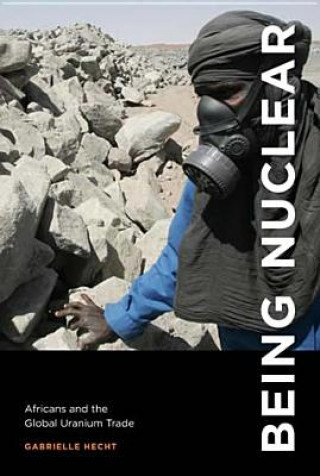
Being Nuclear
 Inglese
 86 b
86 b
Fino a 30 giorni per il reso
I clienti hanno acquistato anche





Uranium from Africa has long been a major source of fuel for nuclear power and atomic weapons, including the bomb dropped on Hiroshima. In 2003, after the infamous "yellow cake from Niger," Africa suddenly became notorious as a source of uranium, a component of nuclear weapons. But did that admit Niger, or any of Africa's other uranium-producing countries, to the select society of nuclear states? Does uranium itself count as a nuclear thing? In this book, Gabrielle Hecht lucidly probes the question of what it means for something--a state, an object, an industry, a workplace--to be "nuclear." Hecht shows that questions about being nuclear--a state that she calls "nuclearity"--lie at the heart of today's global nuclear order and the relationships between "developing nations" (often former colonies) and "nuclear powers" (often former colonizers). Hecht enters African nuclear worlds, focusing on miners and the occupational hazard of radiation exposure. Could a mine be a nuclear workplace if (as in some South African mines) its radiation levels went undetected and unmeasured? With this book, Hecht is the first to put Africa in the nuclear world, and the nuclear world in Africa. By doing so, she remakes our understanding of the nuclear age.


Informazioni sul libro
Inglese

Regala questo libro oggi stesso
È facile
1 Aggiungi il libro al carrello e scegli la consegna come regalo 2 Ti invieremo subito il buono 3 Il libro arriverà all'indirizzo del destinatarioPotrebbe interessarti anche



Ciao! Sono Libroamiko, il tuo consulente di libri.
Come posso aiutarti?