
 Contatto
 Come acquistare
Consegna
Guida all'acquisto
 Inglese
 197 b
197 b
 In preparazione
 Termine sconosciuto
Fino a 30 giorni per il reso
I clienti hanno acquistato anche













 /
/
 Calendario
 18.49
€
18.49
€












 /
/
 In brossura
22.69
€
In brossura
22.69
€
 /
In brossura
16.69
€
/
In brossura
16.69
€





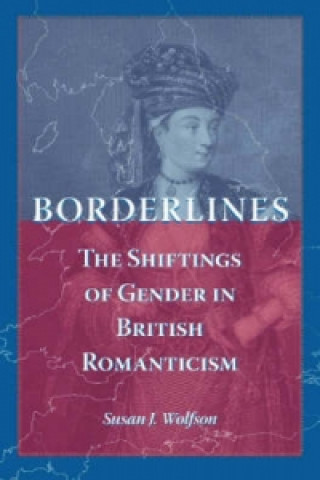
"Borderlines" reveals how the revolution-era debates of the 1790s redefined notions of gender across the nineteenth century. With fresh readings of the works, careers, and volatile receptions of Felicia Hemans, M.J.Jewsbury, Lord Byron, and John Keats, the authors show how senses (and sensations) of gender shape and get shaped by sign systems that prove to be arbitrary, fluid, and septible of transformation. Complicating recent views that Romantic-era writing can be arrayed into masculinist and feminist (or proto-feminist) orders and practices, "Borderlines" shifts the terms of gender essence (culturally organized and supported as these are) into a more mobile, less determinate syntax - one tuned to such figures as the stylized "feminine" poetess, the aberrant "masculine" woman, the male poet deemed "feminine," the campy "effeminate," hapless or strategic cross-dressers of both sexes, and the variously sexed life of the soul itself. Testing large claims in local sites, and reading local events' wider registers, "Borderlines" argues, in effect, that gender theory is most fully realized in action.


Informazioni sul libro
Inglese

Regala questo libro oggi stesso
È facile
1 Aggiungi il libro al carrello e scegli la consegna come regalo 2 Ti invieremo subito il buono 3 Il libro arriverà all'indirizzo del destinatarioPotrebbe interessarti anche


 /
In brossura
8.29
€
/
In brossura
8.29
€



 /
Rigido
45.89
€
/
Rigido
45.89
€













Ciao! Sono Libroamiko, il tuo consulente di libri.
Come posso aiutarti?