 Contatto
 Come acquistare
Consegna
Guida all'acquisto
 Inglese
 85 b
85 b
Fino a 30 giorni per il reso
I clienti hanno acquistato anche

 /
/
 In brossura
 12.59
€
12.59
€








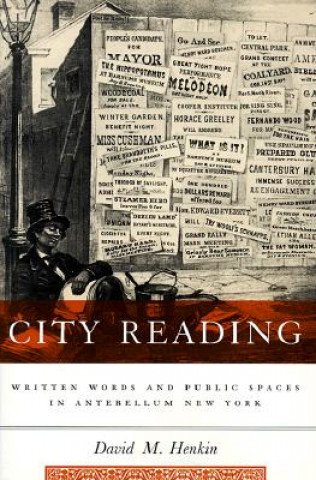
Cultural historian David Henkin explores the influential but little-noticed role played by reading in New York City's public life between 1825 and 1865. From the opening of the Erie Canal to the end of the Civil War, New York became a metropolis, and demographic, economic, and physical changes erased the old markers of continuity and order. As New York became a crowded city of strangers, everyday encounters with impersonal signs, papers, and bank notes altered people's perceptions of connectedness to the new world they lived in. The 'ubiquitous urban texts'--from newspapers to paper money, from street signs to handbills--became both indispensable urban guides and apt symbols for a new kind of public life that emerged first in New York. City Reading focuses on four principal categories of public reading: street signs and store signs; handbills and trade cards; newspapers; and paper money. Drawing on a wealth of visual sources and written texts that document the changing cityscape--including novels, diaries, newspapers, municipal guides, and government records--Henkin shows that public acts of reading (to a much greater extent than private, solitary reading) determined how New Yorkers of all backgrounds came to define themselves and their urban community.


Informazioni sul libro
Inglese