
 Contatto
 Come acquistare
Consegna
Guida all'acquisto
Conversations At The Well
 Inglese
 30 b
30 b
 Nuovi
Nuovi
Fino a 30 giorni per il reso

"I am no longer valuable to God. I have failed. It's all a mess. I must hide from my Father." Once we embrace that perspective, it begins to permeate every layer of life and inevitably impacts our relationship with God.
As we look carefully at accounts in Genesis and other portions of scripture, we soon discover that shame is a clever corruption of guilt. Like Adam and Eve-and so many others-we are convinced that our sins, our regrets, and our suffering separate us from God in a way that causes us to lose our value and that we must now take on the cloak of shame that is offered to us by so many. In reality, shame is imposed in multiple situations-following disobedience, for doing the right thing, for being trusting, or just for being vulnerable. The evil one is ruthless, knowing how powerful shame is to separate us from our God. Shame presses us to hide, to withdraw. Shame draws us away from our God . . . away from restoration and healing.
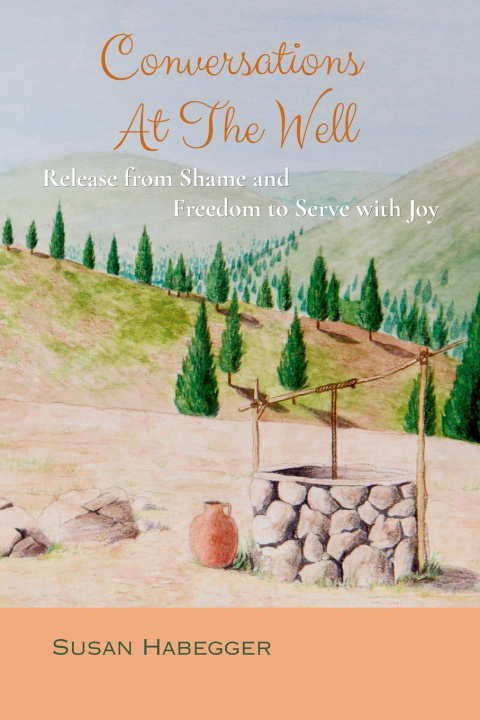
For the Samaritan woman it all began with a conversation at the well on an ordinary day. Through her encounter with Jesus, Conversations At The Well opens the door to an honest look at the bondage that fear and shame impose-and to the living water that cleanses, heals, and sets us free.
You see, this was no coincidental meeting at the well. Jesus intentionally entered the woman's isolated world. He then invited her into His world by engaging her in conversation and offering to her what others had refused to give-a relationship. By such a simple-but profound-invitation, He began to restore value and identity. Release to freedom and fullness of life would quickly follow.
I do not know where Jesus would come to you-that place in your activities, your emotions, where you have adjusted to live under the confines of the fear. I do not know what questions Jesus would ask you that would grow in intensity until-yes, there it is-that place of pain, fear, and shame.
God comes to you in your story. He sees you. He knows you. He loves you.
Conversations At The Well reminds us of truth. The deceiver feeds the lie that you are isolated-and should remain that way. The truth is that God is close and ready to meet each spiritual and emotional need that you have. God provides a brilliant solution: for disobedience, for painful wounds, for false accusations, and assignments of shame.
The woman at the well knew she was thirsty. She did not know what was causing her thirst. She did not know how to quench it. But she was quite aware on that day when she felt the living water flow through her, water that touched every part of her being, seeping into hidden crevices and forgotten rifts that had been dry for many years, bringing reassurance of life.
We struggle with so many emotions. We attempt to calm the anxiety, to quiet the unsettledness. It may be time to simply admit that we are quite thirsty. That we have a yearning deep within. That as we raise the vessel after running after one more promise of fulfillment, it once again comes up empty.
For the Samaritan woman, it all came together on that day. But, her story had always been held by Jesus. From the beginning, He saw her. He knew her and her pain. He loved her. He valued her.
This is true for your story, as well. God has declared you valuable and of great worth to His eternal purpose. In many moments, Jesus steps into your story-even when you do not recognize Him. Often, we simply need a good conversation at the well with Jesus.
I believe that God uses the visual of the Samaritan woman to remind us-to call us to this same awareness. He must have wanted us to see-in real time-the significance and impact of freedom. The living water hasn't changed. It remains as powerful as it was on that day by the well in Samaria.


Informazioni sul libro
Inglese

Regala questo libro oggi stesso
È facile
1 Aggiungi il libro al carrello e scegli la consegna come regalo 2 Ti invieremo subito il buono 3 Il libro arriverà all'indirizzo del destinatarioCiao! Sono Libroamiko, il tuo consulente di libri.
Come posso aiutarti?