
 Contatto
 Come acquistare
Consegna
Guida all'acquisto
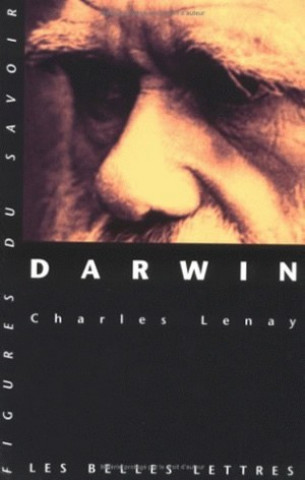
Darwin
 Francese
 66 b
66 b
Fino a 30 giorni per il reso
I clienti hanno acquistato anche










 /
/
 In brossura
 10.69
€
10.69
€
 /
In brossura
11.39
€
/
In brossura
11.39
€










 /
In brossura
7.39
€
/
In brossura
7.39
€

 /
In brossura
15.79
€
/
In brossura
15.79
€





Charles Darwin (1809-1882), was a naturalist, geologist, and biologist who revolutionized science, philosophy, religion - and even politicis - by proposing the theory of evolution by natural selection.In his work, On the Origin of Species (1859), he imposed the idea of a continuity between man and animal, inscribing all species within the same period of contingent history, in no particular general order, and with no indication of evolutionary progress.His theory of natural selection, a general theory of biology, defined a new model for research programs, particularly those related to heredity. As a new explanatory scheme, it was applied in areas where " finalized " structures had to be accounted for (linguistics, economics, epistemology, etc.), and excluded the concept of intentionality. Having introduced a new perspective on the origin of man, it served as a justification for materialism, liberalism, or eugenics...Under what conditions, and through what intellectual process was this theory constituted ? To what extent was it new ? How did the theory manage to prevail ? This book attempts to answer these questions by clarifying the significance of " chance " at work in the principle of natural selection and its impact on the idea - with its vast theoretical and moral issues at stake - of evolutionary progress.Charles Lenay is a senior lecturer of History and Philosphy of Sciences at the Université de Technologie de Compiègne, France.


Informazioni sul libro
Francese
Categorie

Regala questo libro oggi stesso
È facile
1 Aggiungi il libro al carrello e scegli la consegna come regalo 2 Ti invieremo subito il buono 3 Il libro arriverà all'indirizzo del destinatarioPotrebbe interessarti anche

 /
In brossura
44.39
€
/
In brossura
44.39
€


 /
In brossura
34.29
€
/
In brossura
34.29
€
 /
In brossura
16.09
€
/
In brossura
16.09
€

 /
In brossura
109.89
€
/
In brossura
109.89
€



















Ciao! Sono Libroamiko, il tuo consulente di libri.
Come posso aiutarti?