
 Contatto
 Come acquistare
Consegna
Guida all'acquisto
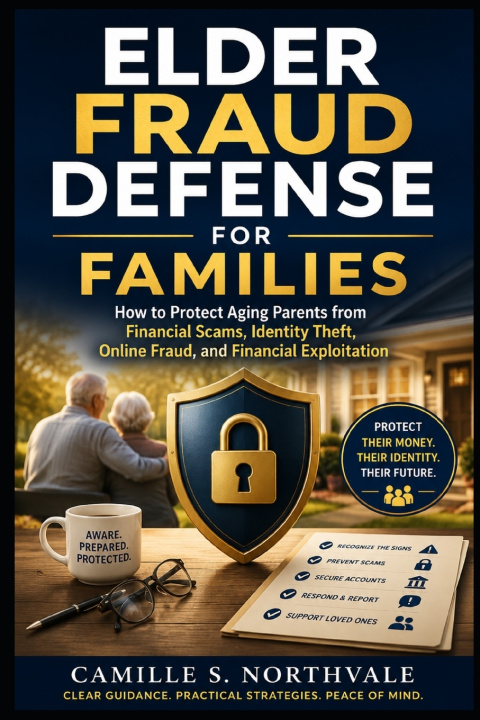
Elder Fraud Defense for Families
How to Protect Aging Parents from Financial Scams, Identity Theft, Online Fraud, and Financial Exploitation
 Inglese
 28 b
28 b
 Nuovi
Nuovi
Fino a 30 giorni per il reso

Fraud rarely begins with an obvious demand for money. It begins with a believable phone call, a familiar-looking email, a frightening pop-up, a new online friendship, or an urgent request that seems too important to delay. By the time a family recognizes what is happening, an aging parent may already feel frightened, embarrassed, isolated, or pressured to keep the situation secret.
Elder Fraud Defense for Families is a practical elder fraud prevention guide for adult children, spouses, relatives, family caregivers, fiduciaries, and trusted helpers who want to protect older adults without stripping away their independence. Camille S. Northvale explains how modern scams work, why intelligent and capable people can be deceived, and how families can replace panic and blame with calm safeguards that make fraud harder to commit.
Inside, readers will learn how to:
- Recognize the warning signs of bank impersonation, government scams, grandparent scams, prize schemes, Medicare fraud, Social Security scams, and fake charities.
- Stop tech-support scams, malicious pop-ups, remote-access fraud, account takeover, and online identity theft before more damage occurs.
- Identify romance scams, friendship scams, cryptocurrency schemes, investment fraud, money-mule recruitment, and recovery scams that target previous victims.
- Secure an aging parent's phone, email, computer, credit files, bank accounts, payment apps, retirement savings, and personal information.
- Detect financial exploitation by relatives, caregivers, neighbors, contractors, advisers, and other trusted people.
- Use trusted contacts, powers of attorney, account alerts, transaction limits, and family oversight responsibly.
- Respond during the first twenty-four hours after money or information is lost, preserve evidence, contact the right institutions, and reduce the risk of a second loss.
- Build a thirty-day family fraud defense system with practical scripts, verification routines, reporting resources, and questions for banks, attorneys, advisers, and care providers.
Protecting an aging parent is not only about preserving money. It is about preserving dignity, choice, trust, and the confidence to ask for help before a suspicious contact becomes a devastating loss.


Informazioni sul libro
Inglese

Regala questo libro oggi stesso
È facile
1 Aggiungi il libro al carrello e scegli la consegna come regalo 2 Ti invieremo subito il buono 3 Il libro arriverà all'indirizzo del destinatarioCiao! Sono Libroamiko, il tuo consulente di libri.
Come posso aiutarti?