
 Contatto
 Come acquistare
Consegna
Guida all'acquisto
Familiar Enemy
 Inglese
 161 b
161 b
30 giorni per il reso
I clienti hanno acquistato anche


 /
/
 Rigido
 205.09
€
205.09
€








 /
/
 CD audio
19.49
€
CD audio
19.49
€







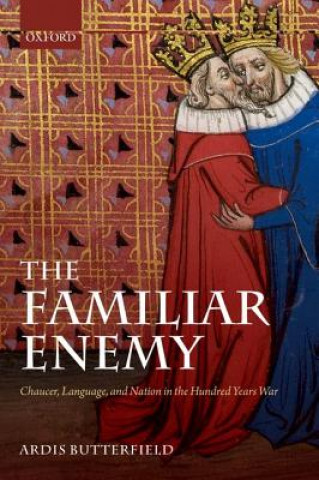
The Familiar Enemy re-examines the linguistic, literary, and cultural identities of England and France within the context of the Hundred Years War. During this war, two profoundly intertwined peoples developed complex strategies for expressing their aggressively intimate relationship. This special connection between the English and the French has endured into the modern period as a model for Western nationhood. Ardis Butterfield reassesses the concept of 'nation' in this period through a wide-ranging discussion of writing produced in war, truce, or exile from the thirteenth to the fifteenth century, concluding with reflections on the retrospective views of this conflict created by the trials of Jeanne d'Arc and by Shakespeare's Henry V. She considers authors writing in French, 'Anglo-Norman', English, and the comic tradition of Anglo-French 'jargon', including Machaut, Deschamps, Froissart, Chaucer, Gower, Charles d'Orleans, as well as many lesser-known or anonymous works. Traditionally Chaucer has been seen as a quintessentially English author. This book argues that he needs to be resituated within the deeply francophone context, not only of England but the wider multilingual cultural geography of medieval Europe. It thus suggests that a modern understanding of what 'English' might have meant in the fourteenth century cannot be separated from 'French', and that this has far-reaching implications both for our understanding of English and the English, and of French and the French.


Informazioni sul libro
Inglese

Regala questo libro oggi stesso
È facile
1 Aggiungi il libro al carrello e scegli la consegna come regalo 2 Ti invieremo subito il buono 3 Il libro arriverà all'indirizzo del destinatarioPotrebbe interessarti anche












 /
In brossura
36.69
€
/
In brossura
36.69
€
 /
In brossura
45.59
€
/
In brossura
45.59
€









Ciao! Sono Libroamiko, il tuo consulente di libri.
Come posso aiutarti?