
Entra a far parte di una comunità di amanti dei libri di tutto il mondo e ottieni numerosi vantaggi.
Crea un account gratuito
Punto Poste 5.49 €
Punto Poste 5.49 €
Corriere DHL 6.99 €
Corriere GLS 5.99 €
Punto GLS 4.49 €
Corriere Bartolini 4.49 €
Punto Bartolini 3.49 €
 Contatto
 Come acquistare
Aiuto
Consegna
Punto Poste 5.49 €
Punto Poste 5.49 €
Corriere DHL 6.99 €
Corriere GLS 5.99 €
Punto GLS 4.49 €
Corriere Bartolini 4.49 €
Punto Bartolini 3.49 €
Guida all'acquisto
Il mio account
▸
Vuoto :-(
0
Fenbendazole Cancer Protocol Guide
Exploring the Science of Fenbendazole Through Evidence-Based Medicine
Lingua
 Inglese
Inglese
Libro
In brossura
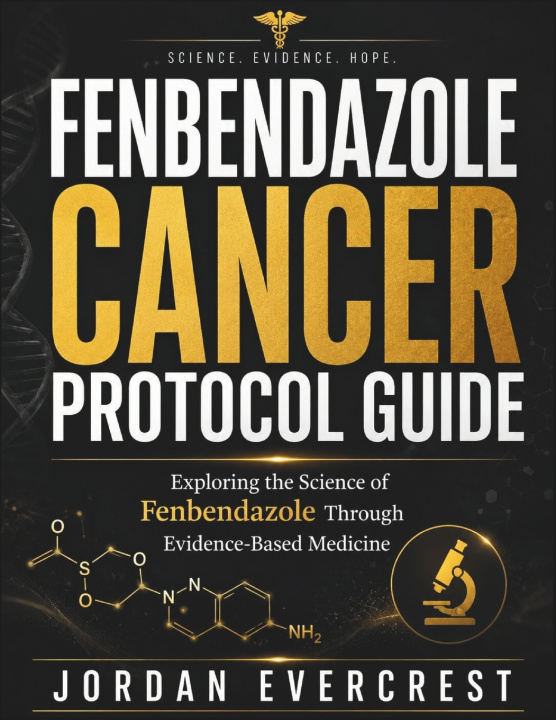
Exploring the Science of Fenbendazole Through Evidence-Based Medicine What does current scientific r...
Descrizione completa
Codice Libristo: 53343035
?
 21 b
21 b
 Nuovi
Nuovi
21 b
Nuovi
8.69
€
Magazzino esterno
Inviamo tra 14-21 giorni
Fino a 30 giorni per il reso

Exploring the Science of Fenbendazole Through Evidence-Based Medicine What does current scientific research actually tell us about fenbendazole and cancer?
As interest in fenbendazole has spread across the internet, patients, caregivers, and healthcare readers are increasingly confronted with online testimonials, laboratory studies, animal research, and conflicting medical claims. Distinguishing scientific evidence from speculation can be difficult especially when health decisions are involved. Fenbendazole Cancer Protocol Guide is a comprehensive educational resource designed to help readers understand how medical evidence develops and how scientific research should be interpreted responsibly. Rather than promoting unverified treatments or protocols, this book explains the current state of evidence, the strengths and limitations of different types of research, and why carefully conducted human clinical trials remain essential before any treatment becomes part of standard medical care. Written in a clear, reader-friendly style, this guide walks you through the scientific process from laboratory experiments to clinical guidelines helping you evaluate health information with greater confidence and critical thinking.Inside this comprehensive guide, you'll learn:
- What fenbendazole is and how it was originally developed
- Why cancer research is complex and why one treatment does not fit every patient
- How laboratory studies, animal models, and human clinical research differ
- The scientific rationale behind drug repurposing
- Proposed biological mechanisms investigated in preclinical research
- Why promising laboratory findings often fail to translate into successful human treatments
- How to understand case reports, observational studies, randomized clinical trials, and systematic reviews
- How to recognize misleading online claims, testimonials, and unverified protocols
- Important safety considerations, including veterinary-product concerns and reported adverse effects
- Potential medicine interactions and why complete medication disclosure matters
- How clinical guidelines are developed and updated
- The role of clinical trials in establishing safe and effective treatments
- How to communicate effectively with your healthcare team and ask informed questions
- Practical tools for evaluating medical research using evidence-based principles
- Patients seeking reliable, science-based information
- Family members and caregivers
- Healthcare students and educators
- Medical professionals looking for an accessible overview
- Anyone interested in understanding how medical evidence is developed and evaluated
This book does not recommend or endorse fenbendazole as a standard treatment for cancer. Instead, it explains what current research has and has not demonstrated, while emphasizing the importance of evidence-based medicine, patient safety, transparent scientific investigation, and informed discussions with qualified healthcare professionals. Whether you are exploring the scientific literature, evaluating online health claims, or simply seeking a deeper understanding of how cancer research progresses, this guide provides a balanced framework grounded in critical thinking and responsible interpretation of evidence.
Attrice
&
Poliglotta
EWA KASP
per
Riproduci video


Libristo ha la più grande selezione di letteratura in lingue straniere. Per questo compro i miei libri qui.
Informazioni sul libro
Titolo completo
Fenbendazole Cancer Protocol Guide
Autore
Jordan Evercrest
Lingua
Inglese
Inglese
Rilegatura
Libro - In brossura
Data di pubblicazione
2026
Numero di pagine
90
EAN
9798189164293
Codice Libristo
53343035
Casa editrice
Independently published
Peso
232
Dimensioni
216 x 280 x 5

Regala questo libro oggi stesso
È facile
1 Aggiungi il libro al carrello e scegli la consegna come regalo 2 Ti invieremo subito il buono 3 Il libro arriverà all'indirizzo del destinatario
Consulente di libri Libroamiko
Utilizzando questa chat, stai comunicando con un'intelligenza artificiale generativa. Utilizzandola, accetti anche il trattamento dei dati personali.
Ciao! Sono Libroamiko, il tuo consulente di libri.
Come posso aiutarti?
Ciao, sono Libroamiko, posso aiutarti?