
 Contatto
 Come acquistare
Consegna
Guida all'acquisto
 Inglese
 111 b
111 b
Fino a 30 giorni per il reso
I clienti hanno acquistato anche




 /
/
 In brossura
 16.89
€
16.89
€









 /
In brossura
104.19
€
/
In brossura
104.19
€


 /
In brossura
29.89
€
/
In brossura
29.89
€

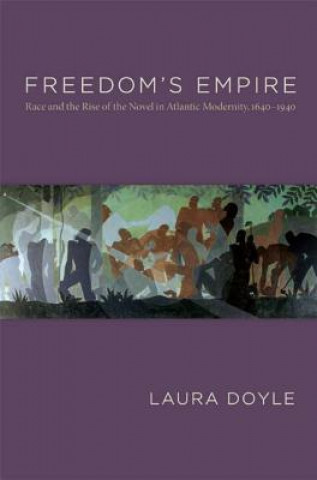
In this path-breaking work of scholarship, Laura Doyle reveals the central, formative role of race in the development of a transnational, English-language literature over three centuries. Identifying a recurring freedom plot, organized around an Atlantic Ocean crossing, Doyle shows how this plot structures the texts of both African-Atlantic and Anglo-Atlantic writers and how it takes shape by way of submerged intertextual exchanges between them. For Anglo-Atlantic writers, Doyle locates the origins of this narrative in the seventeenth century. She argues that Members of Parliament, religious refugees, and new Atlantic merchants together generated a racial rhetoric by which the English fashioned themselves as a "native," "freedom-loving," "Anglo-Saxon" people struggling against a foreign, tyrannical king. Stories of a near-ruinous yet triumphant Atlantic passage to freedom came to provide the narrative expression of this heroic Anglo-Saxon identity - in novels, memoirs, pamphlets, and national histories. At the same time, as Doyle traces, in figures such as Friday in Robinson Crusoe, and in gothic or seduction narratives of ruin and captivity, these texts covertly register, distort, or appropriate the black Atlantic experience. African-Atlantic authors seize back the freedom plot, placing their agency at the origin of both their own and whites' survival on the Atlantic. They also shrewdly expose the ways that, although their labour has provided the enabling conditions for Anglo-Atlantic liberty stories, African-Atlantic stories have been "framed" by that tradition. Doyle brings together authors often separated by nation, race, and period, including Aphra Behn, Eliza Haywood, Olaudah Equiano, Nathaniel Hawthorne, Harriet Wilson, Pauline Hopkins, George Eliot, and Nella Larsen. In so doing, she reassesses the strategies of early women novelists, reinterprets the significance of rape and incest in the novel, and measures the power of race in the modern English-language imagination.


Informazioni sul libro
Inglese

Regala questo libro oggi stesso
È facile
1 Aggiungi il libro al carrello e scegli la consegna come regalo 2 Ti invieremo subito il buono 3 Il libro arriverà all'indirizzo del destinatarioPotrebbe interessarti anche

 /
In brossura
15.39
€
/
In brossura
15.39
€







 /
In brossura
130.79
€
/
In brossura
130.79
€






Ciao! Sono Libroamiko, il tuo consulente di libri.
Come posso aiutarti?