
 Contatto
 Come acquistare
Consegna
Guida all'acquisto
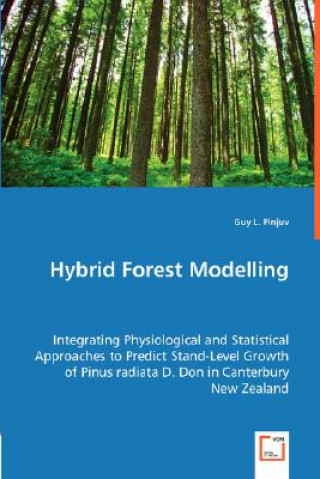
Hybrid Forest Modelling
Integrating Physiological and Statistical Approaches to Predict Stand-Level Growth of Pinus radiata D. Don in Canterbury New Zealand
 Inglese
 170 b
170 b
Fino a 30 giorni per il reso
I clienti hanno acquistato anche










 /
/
 In brossura
 23.69
€
23.69
€


 /
In brossura
55.89
€
/
In brossura
55.89
€

 /
In brossura
27.99
€
/
In brossura
27.99
€








 /
In brossura
12.59
€
/
In brossura
12.59
€

Forestry growth models are categorized according to their level of mechanistic detail, complexity, and generality. At one end of the scale are empirical growth and yield models, which are curves fitted to historical data of forest growth. In contrast, process-based models are based on the mechanisms which underlie growth. Hybrid models can avoid the shortcomings of both approaches, these models incorporate a mechanistic description of the environmental influences into an empirical growth and yield model. Two models were developed in this work to predict growth of Pinus radiata plantations in Canterbury, New Zealand. The first, CanSPBL(1.2), is an empirical model, and the second CanSPBL(water), is a hybrid growth model that incorporates an index of root zone water balance over the simulation period. This work also includes an objective comparison and validation of a range of model types from empirical, hybrid, to process-based, with the main criteria for comparison being each models ability to match historical measurements of forest growth in an independent data set. This analysis should shed some light on the debate between modelling approaches and offers a method of integration. It should be especially useful to scientists, policy makers, and natural resource managers interested in predicting the growth of forest stands over time.


Informazioni sul libro
Inglese

Regala questo libro oggi stesso
È facile
1 Aggiungi il libro al carrello e scegli la consegna come regalo 2 Ti invieremo subito il buono 3 Il libro arriverà all'indirizzo del destinatarioPotrebbe interessarti anche
 /
In brossura
29.89
€
/
In brossura
29.89
€










 /
In brossura
30.49
€
/
In brossura
30.49
€

 /
In brossura
19.19
€
/
In brossura
19.19
€







 /
In brossura
11.99
€
/
In brossura
11.99
€
Ciao! Sono Libroamiko, il tuo consulente di libri.
Come posso aiutarti?