
 Contatto
 Come acquistare
Consegna
Guida all'acquisto
 Inglese
 54 b
54 b
 In preparazione
 Nuovi
Nuovi
Fino a 30 giorni per il reso

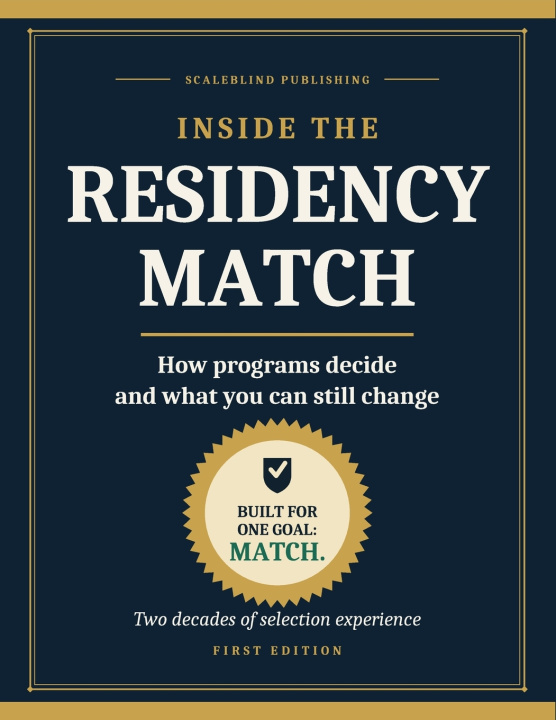
Most applicants never find out why they did not match. They are told it was a hard year, that the score was too low, that they should have applied more broadly. None of it can be acted on, and none of it says which part of the application to work on next.
The Match is not one verdict. Eight decisions stand between your file and a training position, and different people make them at different points in the year while holding different information. The reviewer who opens your application in the fall knows almost nothing about you. The committee that orders its list in the winter knows a great deal. What persuades one of them does nothing for the other, and most advice an applicant receives fails for that reason alone.
Some parts of your application can still be improved, and some were settled long before you started. This book separates the two. It shows what each decision rests on, which evidence still moves it, and how to build that evidence in the months you have. Where something cannot be changed, it says so plainly and turns to what can.
The chapters follow the year as it runs. They begin with the certification and registration that decide whether you may take part at all, then examine what an examination record establishes and what it leaves open. They set out how to gain clinical experience that a supervisor can write about, how to describe work done in another health system so that an American reader can weigh it, and how to choose a research project you can finish. They explain how to ask for a letter, how to assemble an application that agrees with itself, and how to write a personal statement that answers the question your record leaves open. They cover building a program list on eligibility, spending signals, preparing for interviews and the questions that come with them, and ranking honestly once the season ends. They close with Match Week, the additional offer process, and what to do when a cycle has failed and nobody will tell you why.
The book also shows the documents themselves. Personal statements appear in full, written for applicants at different stages and across the specialties, and each one is read the way a program director reads it. Letters of recommendation appear beside them, the strong and the weak, including the warm and careless letter that costs an applicant interviews while its author believes he has been generous. The messages an applicant has to send are worked out in the same way, from the request for a letter to the reply a program expects during SOAP.
Behind the reasoning are two decades spent on the other side of these decisions.


Informazioni sul libro
Inglese

Regala questo libro oggi stesso
È facile
1 Aggiungi il libro al carrello e scegli la consegna come regalo 2 Ti invieremo subito il buono 3 Il libro arriverà all'indirizzo del destinatarioCiao! Sono Libroamiko, il tuo consulente di libri.
Come posso aiutarti?