
 Contatto
 Come acquistare
Consegna
Guida all'acquisto
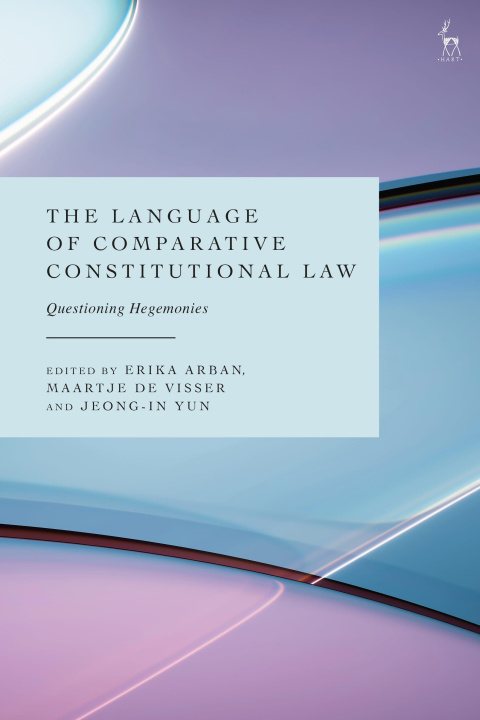
Language of Comparative Constitutional Law
Questioning Hegemonies
 Inglese
 264 b
264 b
Fino a 30 giorni per il reso
I clienti hanno acquistato anche















 /
/
 Leporello
 6.79
€
6.79
€








 /
In brossura
25.89
€
/
In brossura
25.89
€



 /
In brossura
30.79
€
/
In brossura
30.79
€









This volume is the first in-depth collection to explore the impact of language on the field of comparative constitutional law.
It addresses the epistemological and conceptual implications of English as the lingua franca.In this regard, it considers the global influence of Anglophone jurisdictions in orienting the discourse through the identification of concepts, designs and ideas that warrant engagement and exploration outside of those origin jurisdictions. In doing so, the book underscores that language is not a neutral device but can produce hegemonic pressures and expectations. It further makes the role of language in conducting comparative constitutional law explicit, so that its users can be more deliberate in their selection of foreign materials and are made conscious of the limitations of their findings due to language barriers.
The book calls for a reckoning with the rich constitutional vocabulary that non-Anglophone jurisdictions have to offer to ensure a more holistic approach to the creation of knowledge. It also emphasises the need for the contextualised study of constitutional phenomena to appreciate how these are shaped by linguistic choices. In addition to raising awareness about language's significance as an epistemological, conceptual and methodological device, the volume also puts forward constructive tools and techniques to harness language's potential, making it an indispensable resource for scholars, students, lawmakers and judges.


Informazioni sul libro
Inglese

Regala questo libro oggi stesso
È facile
1 Aggiungi il libro al carrello e scegli la consegna come regalo 2 Ti invieremo subito il buono 3 Il libro arriverà all'indirizzo del destinatarioPotrebbe interessarti anche

 /
In brossura
27.49
€
/
In brossura
27.49
€


 /
In brossura
449.39
€
/
In brossura
449.39
€

 /
In brossura
33.29
€
/
In brossura
33.29
€




 /
Rigido
25.89
€
/
Rigido
25.89
€










 /
In brossura
42.39
€
/
In brossura
42.39
€