 Contatto
 Come acquistare
Consegna
Guida all'acquisto
 Inglese
 553 b
553 b
Fino a 30 giorni per il reso
I clienti hanno acquistato anche





 /
/
 Adobe ePub DRM
 88.59
€
88.59
€


 /
/
 In brossura
21.99
€
In brossura
21.99
€



 /
In brossura
17.09
€
/
In brossura
17.09
€



 /
In brossura
61.69
€
/
In brossura
61.69
€

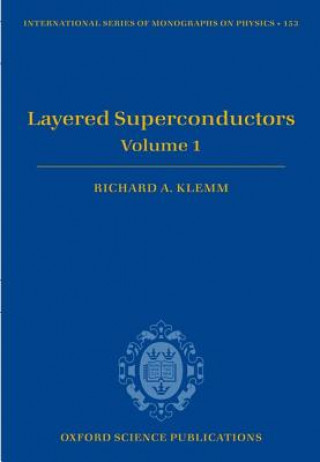
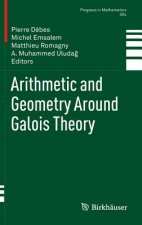
Since the discovery by the author and collaborators of superconductivity in the first truly layered compound, TaS2(pyridine)1/2, there have been many types of layered superconductors. These include the graphite intercalation compounds, the transition metal dichalcogenides, the intercalated transition metal dichalcogenides, the organic layered superconductors, the high-temperature cuprates, the various types of artificial multilayers, strontium ruthenate, magnesium diboride, the ternary intermetallics, the quaternary intermetallics or borocarbides, the iron pnictides and oxypnictides, the iron chalcogenides, and the intercalated metal nitride halides. In the development of this huge field, an underlying theme has always been to try to develop a room-temperature superconductor. Since most of the superconductors with the highest transition temperatures are layered, this book compares and contrasts the wide variety of materials and their properties. It should serve as a guide for young experimentalists hoping to make a room-temperature superconductor. In addition, the book presents the three classes of phenomenological theoretical descriptions of layered superconductors: the anisotropic London model, the anisotropic Ginzburg-Landau model, and the Lawrence-Doniach model specifically developed to treat layered superconductors. Calculations using these models for the upper and lower critical fields are presented in detail, accessible to graduate students wanting to learn the basics of widely-used theoretical descriptions.


Informazioni sul libro
Inglese

Regala questo libro oggi stesso
È facile
1 Aggiungi il libro al carrello e scegli la consegna come regalo 2 Ti invieremo subito il buono 3 Il libro arriverà all'indirizzo del destinatarioPotrebbe interessarti anche







 /
In brossura
27.89
€
/
In brossura
27.89
€







 /
In brossura
42.89
€
/
In brossura
42.89
€



Ciao! Sono Libroamiko, il tuo consulente di libri.
Come posso aiutarti?