
 Contatto
 Come acquistare
Consegna
Guida all'acquisto
Literal Meaning
 Inglese
 270 b
270 b
Fino a 30 giorni per il reso
I clienti hanno acquistato anche








 /
/
 In brossura
 9.79
€
9.79
€
 /
In brossura
28.09
€
/
In brossura
28.09
€

 /
In brossura
33.59
€
/
In brossura
33.59
€


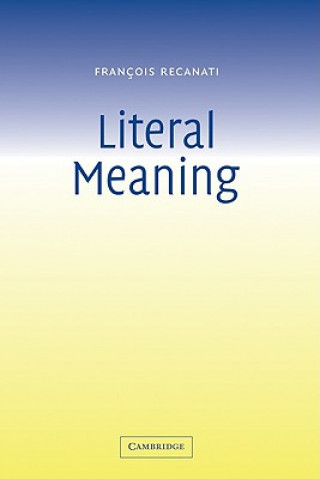
According to the dominant position among philosophers of language today, we can legitimately ascribe determinate contents (such as truth-conditions) to natural language sentences, independently of what the speaker actually means. This view contrasts with that held by ordinary language philosophers fifty years ago: according to them, speech acts, not sentences, are the primary bearers of content. François Recanati argues for the relevance of this controversy to the current debate about semantics and pragmatics. Is 'what is said' (as opposed to merely implied) determined by linguistic conventions, or is it an aspect of 'speaker's meaning'? Do we need pragmatics to fix truth-conditions? What is 'literal meaning'? To what extent is semantic composition a creative process? How pervasive is context-sensitivity? Recanati provides an original and insightful defence of 'contextualism', and offers an informed survey of the spectrum of positions held by linguists and philosophers working at the semantics/pragmatics interface.


Informazioni sul libro
Inglese

Regala questo libro oggi stesso
È facile
1 Aggiungi il libro al carrello e scegli la consegna come regalo 2 Ti invieremo subito il buono 3 Il libro arriverà all'indirizzo del destinatarioPotrebbe interessarti anche





 /
In brossura
23.79
€
/
In brossura
23.79
€


 /
Rigido
99.59
€
/
Rigido
99.59
€



 /
Rigido
215.89
€
/
Rigido
215.89
€

 /
In brossura
20.09
€
/
In brossura
20.09
€








Ciao! Sono Libroamiko, il tuo consulente di libri.
Come posso aiutarti?