
 Contatto
 Come acquistare
Consegna
Guida all'acquisto
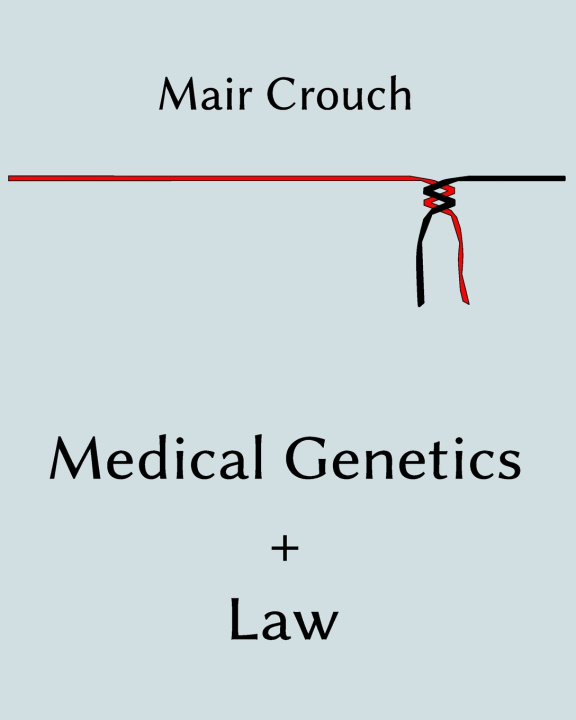
Medical Genetics + Law
 Inglese
 98 b
98 b
Fino a 30 giorni per il reso
I clienti hanno acquistato anche








'Overall, this was a fascinating and thought-provoking book which achieved its aim of bridging the gap between law and medicine. It would be of interest to individuals working within the field of genomic medicine, as well as those working within the medical law sector.' Review: https://www.progress.org.uk/book-review-medical-genetics-law/
The concept behind writing this book arose from a concern that the law would fall behind the scientific advancements within the field of medical genetics. Such scientific advancements would inevitably be accompanied by risks of error that could impact adversely on people's lives. Such errors might require legal remedy.
The intention of the book is to link the two disciplines of medical genetics and the law. The book aims to educate readers in all aspects of genetics that are of current relevance, and to indicate potential problems in the present and in the future. It refers to some of the cases that have been brought to the courts to date - a mere trickle at the moment. I suggest the flood is yet to come.
• Chapters 1-4 cover classical genetics. Chapter 1 is an introduction to DNA, the molecule of heredity. Chapter 2 explains cell division, which is the means by which the vital information contained within DNA passes through the generations, and also maintains us for life. Chapter 3 offers an overview of genetic inheritance. Chapter 4 highlights things that can go wrong, and their consequences.
• The early part of Chapter 5 covers the methods of classic cytogenetic analysis, many of which are no longer used, but understanding what is discovered by carrying out these tests helps to develop a deeper understanding about genetic inheritance. The latter part of the chapter covers most of the methods used today within the medical environment.
• Chapter 6 covers the application of the methods described in Chapter 5, in terms of what genetic screening and testing is available throughout a person's lifespan, from before conception.
• Chapter 7 discusses pre-implantation genetic diagnosis - the testing of embryos before they are implanted in the uterus and how such tests are regulated in the UK. The chapter covers the range of conditions that can be tested for and the challenges faced by laypeople in understanding them. It also describes how a test that is initially introduced for a specific reason can be used for purposes far beyond those that were foreseen.
• Chapter 8 addresses biobanks. Biobanks are vital for finding links between
genetic variation and complex diseases. There are different challenges to single-condition testing. The information obtained this way is medically important, but it has now become financially important too, because it offers information that can be used in drug development to address common diseases.
• Chapter 9 covers the issues surrounding genetic modification. It is an area in which the expansion of applications has the potential to alter what it is to be human, as well as the capacity of humans to control what they want for the future.
• Chapter 10 considers issues that did not fit neatly into any other single chapter, or that are common to several areas discussed elsewhere in the book. The content mainly emphasises ethical challenges within areas such as informed consent, patient confidentiality, data breaches, ancestry sites.
• Chapter 11 deals with issues mainly related to the law. Includes genetic privacy; conditions that are 'serious and actionable' and how to define a genetic condition as serious and significant; impact of DNA analysis on applications for insurance cover; genetic testing and employment; intellectual property rights of biological material and welfare of the child.


Informazioni sul libro
Inglese

Regala questo libro oggi stesso
È facile
1 Aggiungi il libro al carrello e scegli la consegna come regalo 2 Ti invieremo subito il buono 3 Il libro arriverà all'indirizzo del destinatarioPotrebbe interessarti anche



Ciao! Sono Libroamiko, il tuo consulente di libri.
Come posso aiutarti?