
 Contatto
 Come acquistare
Consegna
Guida all'acquisto
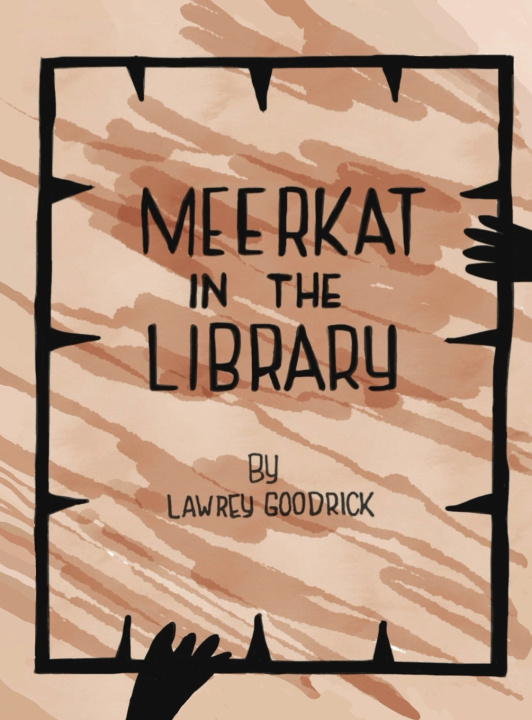
Meerkat in the Library
 Inglese
 44 b
44 b
 In preparazione
 Nuovi
Nuovi
 Pubblicazione 24. 10. 2026
Fino a 30 giorni per il reso

Meerkat in the Library is a heartfelt book aisle adventure that explores the importance of teacher librarians through rhythm and rhyme.
The story follows a child who is adamant a Meerkat occupies the school library.
Despite the child's attempts to draw attention to the Meerkat in the Library, nobody is interested, adults disregarding the child with reference to television shows about Meerkats.
The child defines the experience of the Meerkat in the Library, reflecting on the tasks within the library as well as speaking of how sad and lonely it is for the Meerkat as it watches children play outside, or attending the tech lab, but never the library.
The story resolves with the Meerkat reading a book to the inquisitive child, the Meerkat exposed as the playful Teacher Librarian.
The story was written for the important role Teacher Librarians represent for school libraries and for practices of reading books and how this role of nurturance is under threat in the realm of children's education, with many teacher librarian roles now obsolete.
The Teacher Librarian can now be considered an endangered species due to the involvement of technology-based teaching tools and initiatives in schools.
The utilisation of the Meerkat was a reflection on Post-Traumatic Stress Disorder (PTSD), with three main messages.
The first is the threat of the extinction of the Teacher Librarians role in libraries and the impact this not only has on educators, but on children who are missing out on crucial perspective and character-building interaction with personalities, facilities and literature.
The second is the usage of the Meerkat's physical stance, always on hind legs, anxious, hyper vigilant, watching things all around, searching for activity, alert to things to come or things that may not eventuate, but still active in concern.
Note - the Meerkat is never afraid when lost in the pages of a book.
Hyper vigilance is common in PTSD and Complex-PTSD (CPTSD) and sufferers are actively alert to their surroundings whether danger is posed or not. There is limited nervous system rest. The Meerkat stretches up its neck, which is reflective of a PTSD sufferer who can suffer chronic neck injuries from extension and constant activation of neck muscles being locked in hyper vigilance and fight or flight, from trauma, and/or the anticipation of trauma.
The third is a reflection of parental nurturance and how Teacher Librarians assist in a child's social development by encouraging learning through literature which encourages understanding of varying socioeconomic perspectives.


Informazioni sul libro
Inglese
Categorie
