 Contatto
 Come acquistare
Consegna
Guida all'acquisto
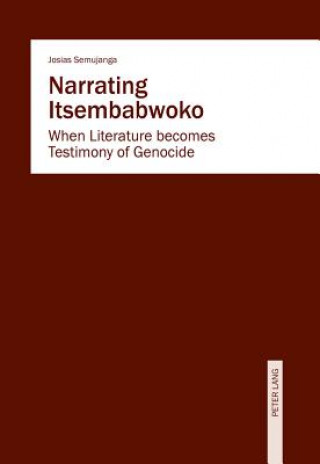
Narrating Itsembabwoko
 Inglese
 194 b
194 b
Fino a 30 giorni per il reso
I clienti hanno acquistato anche












 /
/
 In brossura
 13.09
€
13.09
€



The tenacious belief in a disjunction of genocide and art has risen a persisting polemic in literary cricism. Narrating Itsembabwoko challenges this dichotomous thinking by assuming that a narrative about genocide is both a work and a testimony because the sense-making in work is a shared construction between writing, reading, and meaning to the point that artistic expression seems to be the irreplaceable nature of art to ensure the memory of events. The main assumption is that the aesthetic process brings together the forms, motifs, or themes already available in the vast field of literature and art, which are known to the reader, and integrates them in a particular text; however, the axiological process is an argumentative level, which governs and shapes the enunciated values in the work. This books shows how through their works writers seek forms - language or genre - that allow them to represent the horror of extermination, making the reader think about the moral range of narratives about genocide - fiction or testimony - using words that communicate the values of humanity, in opposition to the macabre deployment of absolute evil.


Informazioni sul libro
Inglese

Regala questo libro oggi stesso
È facile
1 Aggiungi il libro al carrello e scegli la consegna come regalo 2 Ti invieremo subito il buono 3 Il libro arriverà all'indirizzo del destinatarioPotrebbe interessarti anche

 /
In brossura
7.19
€
/
In brossura
7.19
€