
 Contatto
 Come acquistare
Consegna
Guida all'acquisto
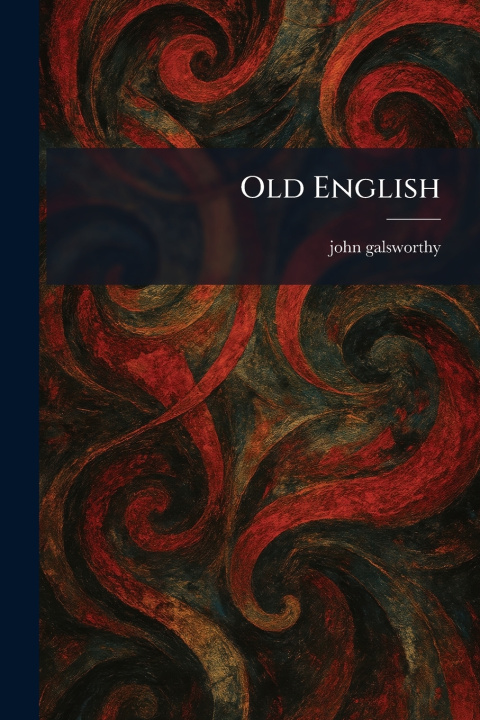
Old English
 Inglese
 46 b
46 b
Fino a 30 giorni per il reso

"Old English" is a compelling play by the Nobel Prize-winning author John Galsworthy that explores the indomitable spirit of an aging Victorian gentleman navigating the pressures of a changing world. The story follows Sylvanus Heythorp, the stoic and resourceful chairman of a shipping company, who finds himself physically frail but mentally sharp as he faces financial ruin and corporate maneuvering. Despite his precarious circumstances, Heythorp remains a figure of fierce independence, determined to secure his family's future through a series of ethically complex business deals.
Galsworthy masterfully captures the tension between the stoicism of the old guard and the ruthless pragmatism of the modern era. Through the character of Heythorp, the play delves into themes of honor, legacy, and the inevitable decline of the physical self. Set against the backdrop of post-Victorian commercial society, "Old English" serves as a poignant character study that highlights the complexities of morality and the dignity of a man refusing to yield to time or his critics. Rich in dialogue and dramatic tension, this work remains a significant contribution to early 20th-century British drama, showcasing Galsworthy's keen insight into human character and social hierarchy.
This work has been selected by scholars as being culturally important, and is part of the knowledge base of civilization as we know it. This work was reproduced from the original artifact, and remains as true to the original work as possible. Therefore, you may see the original copyright references, library stamps (as most of these works have been housed in our most important libraries around the world), and other notations in the work.
This work is in the public domain in the United States of America, and possibly other nations. Within the United States, you may freely copy and distribute this work, as no entity (individual or corporate) has a copyright on the body of the work.
As a reproduction of a historical artifact, this work may contain missing or blurred pages, poor pictures, errant marks, etc. Scholars believe, and we concur, that this work is important enough to be preserved, reproduced, and made generally available to the public. We appreciate your support of the preservation process, and thank you for being an important part of keeping this knowledge alive and relevant.


Informazioni sul libro
Inglese
