
 Contatto
 Come acquistare
Consegna
Guida all'acquisto
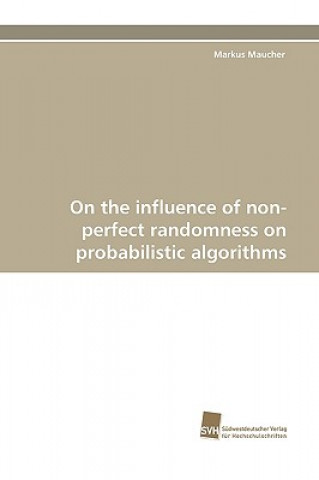
On the Influence of Non-Perfect Randomness on Probabilistic Algorithms
 Inglese
 133 b
133 b
Fino a 30 giorni per il reso
I clienti hanno acquistato anche






 /
/
 In brossura
 52.29
€
52.29
€




 /
In brossura
11.99
€
/
In brossura
11.99
€

Not only in computer science many problems are solved through the help of randomness. This thesis analyses probabilistic algorithms with respect to the use of random sources that do not provide perfect random numbers, like pseudorandom generators or biased sources. New theoretical results are presented that describe implications of using non-perfect random numbers with probabilistic algorithms. In the first part several probabilistic algorithms are examined on how they are influenced by random numbers that are not independent and uniformly distributed: A randomized algorithm for comparing polynomials, Karger's probabilistic algorithm for finding the minimum cut of a graph, Schöning's random walk algorithm for the Boolean Satisfiability Problem and the well-known sorting algorithm QuickSort. The second part of this work examines the impact of various sources of randomness on the quality of the solution of probabilistic optimization heuristics, concentrating on Simulated Annealing as an example for local search heuristics and a genetic algorithm as an instance of population based heuristics.


Informazioni sul libro
Inglese

Regala questo libro oggi stesso
È facile
1 Aggiungi il libro al carrello e scegli la consegna come regalo 2 Ti invieremo subito il buono 3 Il libro arriverà all'indirizzo del destinatarioPotrebbe interessarti anche







 /
In brossura
14.69
€
/
In brossura
14.69
€








 /
Rigido
142.29
€
/
Rigido
142.29
€




Ciao! Sono Libroamiko, il tuo consulente di libri.
Come posso aiutarti?