
 Contatto
 Come acquistare
Consegna
Guida all'acquisto
 Inglese
 385 b
385 b
30 giorni per il reso
I clienti hanno acquistato anche










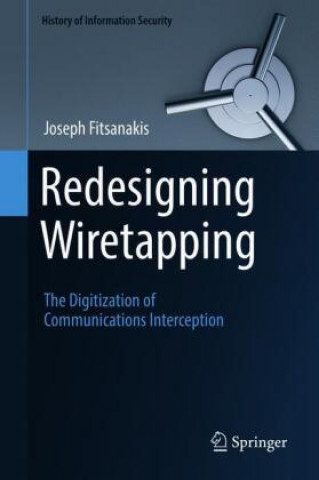
This book tells the story of government-sponsored wiretapping from the rise or telephony in the 1870s to the events of 9/11 in the United States, paying particular attention to an unprecedented period in the 1990s when government agencies were momentarily unable to intercept messages. It reveals for the first time the thoughts of some of the protagonists in the crucial negotiations between governments, industry, and civil-liberties groups at the time, and it explains why those negotiations may have altered forever the future of the information society. The author contributes to a wider body of literature that tries to provide meaningful answers to these questions: What sociotechnical trends have been evident in the recent history of information-security policy in the UK and the US? What particular political visions do these trends seem to favor and what do they appear to suggest for the future of information security in the West? What is the importance of digital information security for practices of policing, both by governmental decision centers and commercial bodies? To answer these questions, the author examines the historical emergence of two legislative frameworks: the US Communications Assistance for Law Enforcement Act (CALEA), and the UK Regulation of Investigatory Powers Act (RIPA). These acts, which have yet to be fully implemented, make it mandatory for telecommunications service providers to ensure that their customers' communications can be intercepted by law enforcement and security agencies, whose interception capabilities were seriously hampered by the digitization and deregulation of telecommunications after 1984. The development of communications interception as a component of information security is examined historically within the context of complex relationships between political actors, such as national policy experts and government advisors, state and corporate decision-makers, and members of regulatory bodies.


Informazioni sul libro
Inglese

Regala questo libro oggi stesso
È facile
1 Aggiungi il libro al carrello e scegli la consegna come regalo 2 Ti invieremo subito il buono 3 Il libro arriverà all'indirizzo del destinatarioPotrebbe interessarti anche


Ciao! Sono Libroamiko, il tuo consulente di libri.
Come posso aiutarti?