
 Contatto
 Come acquistare

Consegna
Guida all'acquisto
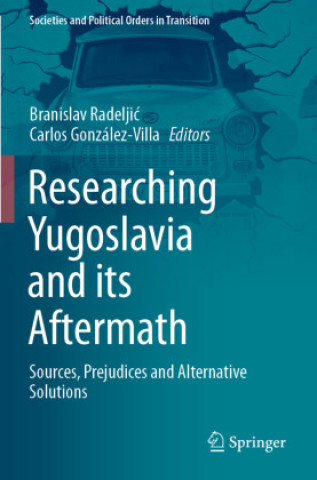
Researching Yugoslavia and its Aftermath
Sources, Prejudices and Alternative Solutions
 Inglese
 367 b
Fino a 30 giorni per il reso
I clienti hanno acquistato anche



 /
 In brossura
 14.59
€



















 /
In brossura
23.49
€


 /
In brossura
16.79
€


In Researching Yugoslavia and its Aftermath, a common thread is the authors' path through the time and space context in which fieldwork has taken place. Accordingly, this collection tackles problems that have always existed but have not been dealt with in a single volume. In particular, it examines a range of methodological questions arising from the contributors' shared concerns, and thus the obstacles and solutions characterising the relationship between researchers and their objects of study. Being an interdisciplinary project, this book brings together highly regarded historians, sociologists, anthropologists, political scientists, cultural and social theorists, as well as experts in architecture and communication studies. They share a belief that the awareness of the researcher's own position in fieldwork is a precondition of utmost significance to comprehend the evolution of objects of study, and hence to ensure transparency and ultimate credibility of the findings. Moreover, the contributors come from diverse backgrounds, including authors from the former Yugoslavia and others who have made their way to the region after starting their research careers; some from universities in the area, others from institutions in the Global North. Here, they explore cross-cutting issues such as the repercussions of gender, nationality, institutional affiliation and the consequences of their entry into the field. This is examined in terms of the results of the research and the ethical aspect of the relationship with the object of study, as well as the implications of the chosen time framework in the methodological design and the clash between this decision and the interests of the actors studied.


Informazioni sul libro
Inglese
Categorie

Regala questo libro oggi stesso
È facile
1 Aggiungi il libro al carrello e scegli la consegna come regalo 2 Ti invieremo subito il buono 3 Il libro arriverà all'indirizzo del destinatarioPotrebbe interessarti anche


 /
In brossura
70.09
€
 /
In brossura
21.29
€

 /
In brossura
14.99
€
 /
In brossura
25.39
€
 /
In brossura
24.39
€







 /
Rigido
161.49
€






Ciao! Sono Libroamiko, il tuo consulente di libri.
Come posso aiutarti?