
 Contatto
 Come acquistare
Consegna
Guida all'acquisto
 Inglese
 22 b
22 b
 Nuovi
Nuovi
Fino a 30 giorni per il reso

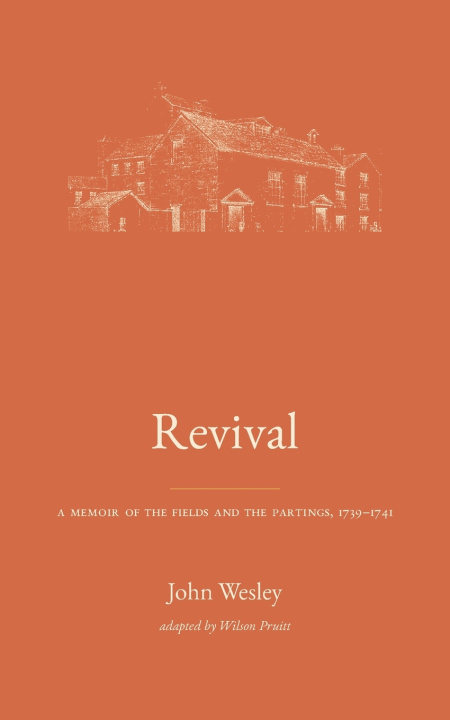
Between the first day of 1739 and the third of September, 1741, John Wesley became - almost against his will - the man posterity remembers: the field preacher who took the gospel to the colliers of Kingswood and the mobs of Moorfields and drew crowds no parish church could have held. Ten thousand at a hearing; a movement founded; the first preaching-house built; the first lay preachers set to work. The bare facts are the stuff of triumph.
But the reader who comes for a triumph will find something stranger and truer. These two and a half years are shaped not by the revival's advance but by two subtractions - two partings, each with people Wesley loved, each over a doctrine. In the summer of 1740 he broke with the Moravians, the very Brethren who had brought him to faith, over the doctrine they called "stillness"; in the spring of 1741 he broke with George Whitefield - the friend who had handed him the fields - over predestination, a breach he told Whitefield to his face would be "open, and probably irreparable." Reshaping Wesley's published Journal into continuous memoir - his own voice throughout, the date-stamps dissolved into narrative - this volume follows the whole arc: the lot cast at Fetter Lane, the first sermon in the open air, the colliers weeping at the pit-head, the two withdrawals, and an ending not on a height but on an unfinished letter and a signature. Methodism, it argues, defined itself in these years less by what it gathered than by what it refused.
The third volume of the Wesley memoir series, following Aldersgate. Includes an editorial introduction on the two partings and the 1744 vantage from which Wesley told them, a cast of characters, a glossary of Wesley's theological vocabulary, and an appendix, The Quarrel, gathering the documents of the predestination breach - Wesley's own sermon on free grace and Whitefield's published letter answering it - so the reader who has felt the cost in the narrative may hear the theology in both men's own words.


Informazioni sul libro
Inglese
Categorie

Regala questo libro oggi stesso
È facile
1 Aggiungi il libro al carrello e scegli la consegna come regalo 2 Ti invieremo subito il buono 3 Il libro arriverà all'indirizzo del destinatarioCiao! Sono Libroamiko, il tuo consulente di libri.
Come posso aiutarti?