
 Contatto
 Come acquistare
Consegna
Guida all'acquisto
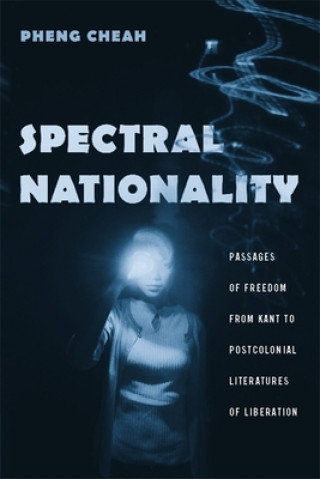
Spectral Nationality
Passages of Freedom from Kant to Postcolonial Literatures of Liberation
 Inglese
 118 b
118 b
Fino a 30 giorni per il reso
I clienti hanno acquistato anche






 /
/
 Foglio
 12.69
€
12.69
€





 /
In brossura
16.89
€
/
In brossura
16.89
€

 /
In brossura
25.69
€
/
In brossura
25.69
€








This far-ranging and ambitious attempt to rethink postcolonial theory's discussion of the nation and nationalism brings the problems of the postcolonial condition to bear on the philosophy of freedom. Closely identified with totalitarianism and fundamentalism, the nation-state has a tainted history of coercion, ethnic violence, and even, as in ultranationalist Nazi Germany, genocide. Most contemporary theorists are therefore skeptical, if not altogether dismissive, of the idea of the nation and the related metaphor of the political body as an organism. Going against orthodoxy, Pheng Cheah retraces the universal-rationalist foundations and progressive origins of political organicism in the work of Kant and its development in philosophers in the German tradition such as Fichte, Hegel, and Marx. Cheah argues that the widespread association of freedom with the self-generating dynamism of life and culture's power of transcendence is the most important legacy of this tradition. Addressing this legacy's manifestations in Fanon and Cabral's theories of anticolonial struggle and contemporary anticolonial literature, including the Buru Quartet by Indonesian writer Pramoedya Ananta Toer, and the Kenyan writer Ngugi Wa Thiong'o's nationalist novels, Cheah suggests that the profound difficulties of achieving freedom in the postcolonial world indicate the need to reconceptualize freedom in terms of the figure of the specter rather than the living organism.


Informazioni sul libro
Inglese
Categorie

Regala questo libro oggi stesso
È facile
1 Aggiungi il libro al carrello e scegli la consegna come regalo 2 Ti invieremo subito il buono 3 Il libro arriverà all'indirizzo del destinatarioPotrebbe interessarti anche





 /
In brossura
32.59
€
/
In brossura
32.59
€



 /
In brossura
7.99
€
/
In brossura
7.99
€



 /
Rigido
20.39
€
/
Rigido
20.39
€











Ciao! Sono Libroamiko, il tuo consulente di libri.
Come posso aiutarti?