
 Contatto
 Come acquistare
Consegna
Guida all'acquisto
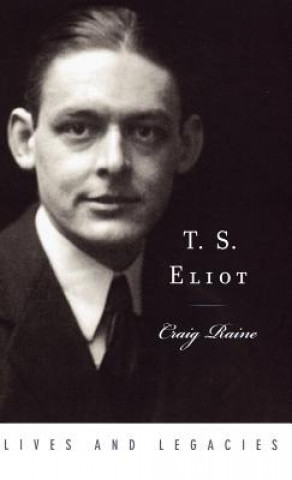
T. S. Eliot
 Inglese
 76 b
76 b
Fino a 30 giorni per il reso
I clienti hanno acquistato anche















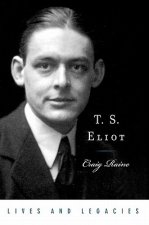
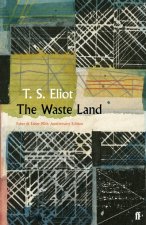
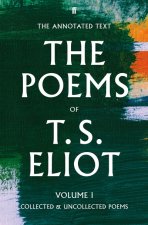
The winner of the Nobel Trize for Literature, the twentieth century's most famous poet and its most influential literary arbiter, T.S. Eliot has long been thought to be an obscure and difficult poet--forbiddingly learned, maddeningly enigmatic. Now, in this brilliant exploration of T.S. Eliot's work, prize-winning poet Craig Raine reveals that, on the contrary, Eliot's poetry (and drama and criticism) can be seen as a unified and coherent body of work. Indeed, despite its manifest originality, its radical experimentation, and its dazzling formal variety, his verse yields meaning just as surely as other more conventional poetry. Raine argues that an implicit controlling theme--the buried life, or the failure of feeling--unfolds in surprisingly varied ways throughout Eliot's work. But alongside Eliot's desire "to live with all intensity" was also a distrust of "violent emotion for its own sake." Raine illuminates this paradoxical Eliot--an exacting anti-romantic realist, skeptical of the emotions, yet incessantly troubled by the fear of emotional failure--through close readings of such poems as "The Love Song of J Alfred Prufrock," "Gerontion," The Hollow Men, Ash Wednesday, and many others. The heart of the book contains extended analyses of Eliot's two master works--The Waste Land and Four Quartets. Raine also examines Eliot's criticism--including his coinage of such key literary terms as the objective correlative, dissociation of sensibility, the auditory imagination--and he concludes with a convincing refutation of charges that Eliot was an anti-Semite. Here then is a volume absolutely indispensable for all admirers of T.S. Eliot and, in fact, for everyone who loves modern literature.


Informazioni sul libro
Inglese

Regala questo libro oggi stesso
È facile
1 Aggiungi il libro al carrello e scegli la consegna come regalo 2 Ti invieremo subito il buono 3 Il libro arriverà all'indirizzo del destinatarioPotrebbe interessarti anche










Ciao! Sono Libroamiko, il tuo consulente di libri.
Come posso aiutarti?