
 Contatto
 Come acquistare
Consegna
Guida all'acquisto
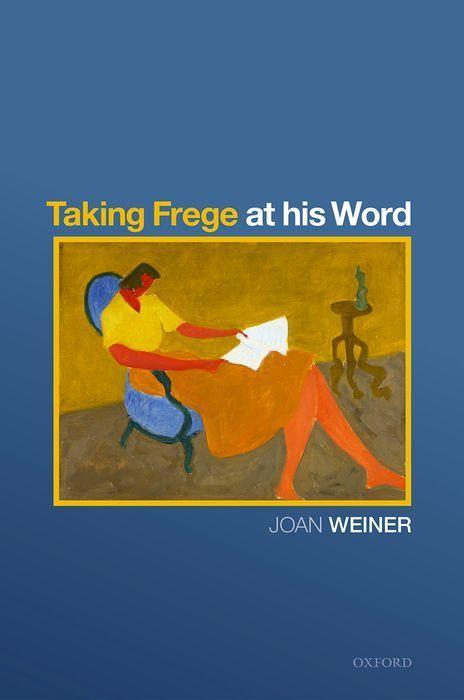
Taking Frege at his Word
 Inglese
 267 b
267 b
Fino a 30 giorni per il reso
I clienti hanno acquistato anche













 /
/
 In brossura
 9.29
€
9.29
€









 /
In brossura
37.79
€
/
In brossura
37.79
€

Frege is widely regarded as having set much of the agenda of contemporary analytic philosophy. As standardly read, he meant to introduce—and make crucial contributions to—the project of giving an account of the workings of (an improved version of) natural language. Yet, despite the great admiration most contemporary philosophers feel for Frege, it is widely believed that he committed a large number of serious, and inexplicable, blunders. For, if Frege really meant to be constructing a theory of the workings of (some version of) natural language, then a significant number of his stated views—including views that he claimed to be central to his philosophical picture—are straightforwardly wrong. But did Frege mean to be giving an account of the workings of language? He himself never actually claimed to be doing this, and, indeed, never even described such a project. Taking Frege at his Word offers an interpretation that is based on a different approach to his writings. Rather than using the contributions he is taken to have made to contemporary work in the philosophy of language to infer what his projects were, Joan Weiner gives priority to Frege's own accounts of what he means to be doing. She provides a very different view of Frege's project. One might suspect that, on such a reading, Frege's writings would have purely antiquarian interest, but this would be a mistake. The final two chapters show that Frege offers us new ways of addressing some of the philosophical problems that worry us today.


Informazioni sul libro
Inglese
Categorie

Regala questo libro oggi stesso
È facile
1 Aggiungi il libro al carrello e scegli la consegna come regalo 2 Ti invieremo subito il buono 3 Il libro arriverà all'indirizzo del destinatarioPotrebbe interessarti anche





 /
In brossura
26.79
€
/
In brossura
26.79
€
 /
In brossura
22.69
€
/
In brossura
22.69
€



 /
In brossura
14.79
€
/
In brossura
14.79
€






 /
In brossura
12.39
€
/
In brossura
12.39
€




 /
Rigido
185.39
€
/
Rigido
185.39
€




Ciao! Sono Libroamiko, il tuo consulente di libri.
Come posso aiutarti?