
 Contatto
 Come acquistare
Consegna
Guida all'acquisto
Tender Cut
 Inglese
 101 b
101 b
Fino a 30 giorni per il reso
I clienti hanno acquistato anche

 /
/
 In brossura
 50.29
€
50.29
€
 /
In brossura
35.30
€
/
In brossura
35.30
€

 /
In brossura
17.39
€
/
In brossura
17.39
€








 /
In brossura
28.79
€
/
In brossura
28.79
€





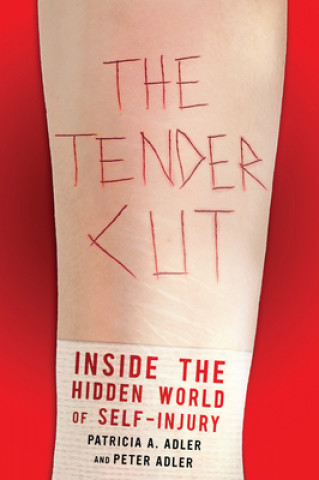
Cutting, burning, branding, and bone-breaking are all types of self-injury, or the deliberate, non-suicidal destruction of one's own body tissue, a practice that emerged from obscurity in the 1990s and spread dramatically as a typical behavior among adolescents. Long considered a suicidal gesture, The Tender Cut argues instead that self-injury is often a coping mechanism, a form of teenage angst, an expression of group membership, and a type of rebellion, converting unbearable emotional pain into manageable physical pain. Based on the largest, qualitative, non-clinical population of self-injurers ever gathered, noted ethnographers Patricia and Peter Adler draw on 150 interviews with self-injurers from all over the world, along with 30,000-40,000 internet posts in chat rooms and communiques. Their 10-year longitudinal research follows the practice of self-injury from its early days when people engaged in it alone and did not know others, to the present, where a subculture has formed via cyberspace that shares similar norms, values, lore, vocabulary, and interests. An important portrait of a troubling behavior, The Tender Cut illuminates the meaning of self-injury in the 21st century, its effects on current and former users, and its future as a practice for self-discovery or a cry for help.


Informazioni sul libro
Inglese

Regala questo libro oggi stesso
È facile
1 Aggiungi il libro al carrello e scegli la consegna come regalo 2 Ti invieremo subito il buono 3 Il libro arriverà all'indirizzo del destinatarioPotrebbe interessarti anche

 /
Rigido
45.19
€
/
Rigido
45.19
€






 /
In brossura
28.19
€
/
In brossura
28.19
€
 /
In brossura
10.39
€
/
In brossura
10.39
€

 /
In brossura
20.89
€
/
In brossura
20.89
€
Ciao! Sono Libroamiko, il tuo consulente di libri.
Come posso aiutarti?