
 Contatto
 Come acquistare
Consegna
Guida all'acquisto
 Inglese
 82 b
82 b
 In preparazione
 Nuovi
Nuovi
Fino a 30 giorni per il reso

What if the biggest decisions shaping your child's education were never actually voted on?
In 1951, an unelected state board sat down and wrote a prayer - then sent it into public school classrooms with no law behind it and no vote taken. In 1976, the nation's largest teachers' union made its first presidential endorsement in over a century, in exchange for a single promise: a new Cabinet department. In 2010, forty-five states adopted a sweeping new set of academic standards within eight weeks of those standards even being finished - driven not by evidence, but by a federal funding deadline.
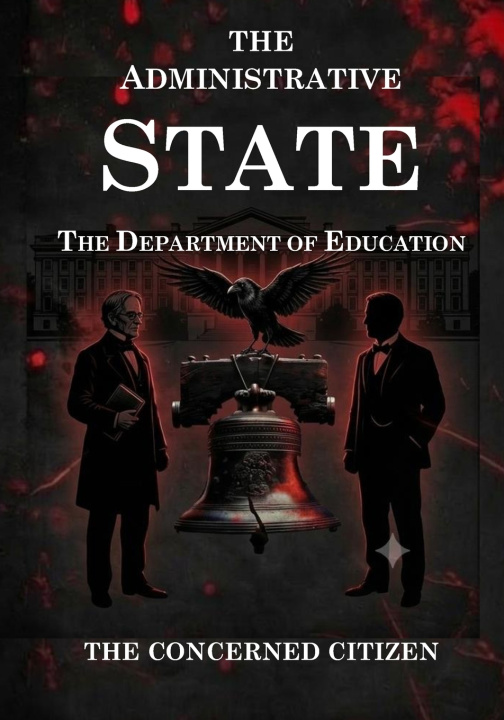
The Administrative State: The Department of Education traces, chapter by chapter and primary source by primary source, how American education actually came to be governed - not the story usually told, but the one the record itself supports. From a single colonial schoolhouse with no government watching it at all, to the funding mechanisms, court rulings, and testing regimes that now reach into nearly every classroom in the country, this book follows one consistent, documented pattern: an administrative engine that persists and redirects itself toward whatever goal holds institutional leverage, regardless of who's operating it, or which political party happens to be in charge.
This is not a partisan takedown, and it's not a defense. Every figure in this book - the Secretary of Education who saved the department he was appointed to help dismantle, the bipartisan authors of No Child Left Behind who later disagreed sharply about its legacy, the architect of Common Core who went on to redesign the SAT in its image - is treated the same way: through what they actually wrote, said, and did, not through the simplified story that grew up around them afterward.
Along the way, this book confronts the hard data most Americans have never seen: the first-ever decline in U.S. civics scores since testing began, a naturalization test that a third of native-born citizens fail while nearly all immigrant applicants pass, and a direct, documented comparison between the American Bill of Rights and the rights clauses of two of history's most totalitarian constitutions - a comparison that shows exactly what's structurally different about the American design, and exactly what's at stake in forgetting it.
Written in plain, accessible language and grounded entirely in primary sources - court rulings, tax filings, campaign records, and the Founders' own words - this book doesn't tell you what to conclude. It gives you what the record actually shows, and trusts you to decide for yourself what it means.
If you've ever suspected that the story you were taught about American education wasn't the whole story, this book is where you go to find out.


Informazioni sul libro
Inglese

Regala questo libro oggi stesso
È facile
1 Aggiungi il libro al carrello e scegli la consegna come regalo 2 Ti invieremo subito il buono 3 Il libro arriverà all'indirizzo del destinatarioCiao! Sono Libroamiko, il tuo consulente di libri.
Come posso aiutarti?