
 Contatto
 Come acquistare
Consegna
Guida all'acquisto
 Inglese
 35 b
35 b
 In preparazione
 Nuovi
Nuovi
Fino a 30 giorni per il reso

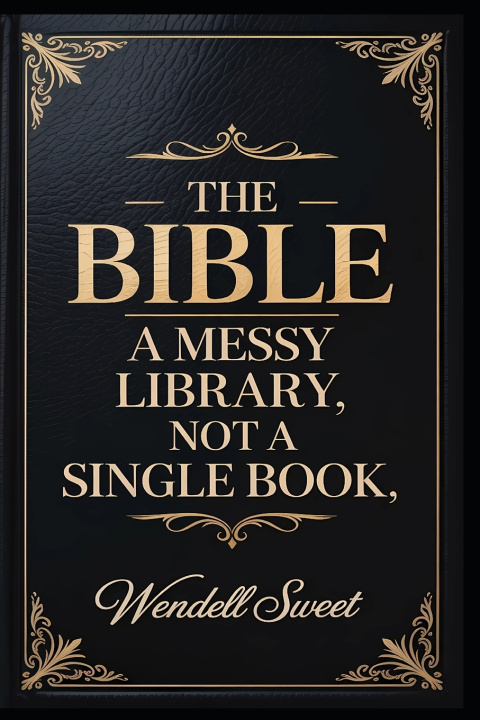
The initial impetus for defining scripture was, in part, a defensive one. Movements like Marcionism, with its radical dualism and rejection of the Old Testament God, and the various Gnostic schools, with their esoteric interpretations and alternative cosmologies, presented significant challenges to the emerging orthodox understanding. These movements were not fringe curiosities; they attracted large followings and offered compelling alternative visions of Christ and salvation. To counter them, the proto-orthodox faction, those who would eventually become the dominant voice, had to articulate clear boundaries. They began to develop criteria for canonicity, often codified in lists and pronouncements that, over time, began to solidify.
This was the crucible where heresy and orthodoxy were not merely theological debates but also power struggles. The nascent hierarchy, increasingly centered around bishops and their councils, saw the canonization process as a vital tool for consolidating authority and ensuring doctrinal uniformity. What was deemed "orthodox" was, by definition, what upheld the established structures of leadership and governance. Conversely, what was branded as "heretical" was often anything that threatened this emerging power base, particularly those texts that promoted alternative leadership structures or challenged male dominance.
This human-driven, politically inflected process of canon formation is the bedrock upon which our understanding of the Christian Bible rests.


Informazioni sul libro
Inglese

Regala questo libro oggi stesso
È facile
1 Aggiungi il libro al carrello e scegli la consegna come regalo 2 Ti invieremo subito il buono 3 Il libro arriverà all'indirizzo del destinatarioCiao! Sono Libroamiko, il tuo consulente di libri.
Come posso aiutarti?