 Contatto
 Come acquistare
Consegna
Guida all'acquisto
 Inglese
 40 b
40 b
Fino a 30 giorni per il reso
I clienti hanno acquistato anche















 /
/
 Adobe ePub DRM
 89.19
€
89.19
€











 /
/
 In brossura
21.89
€
In brossura
21.89
€







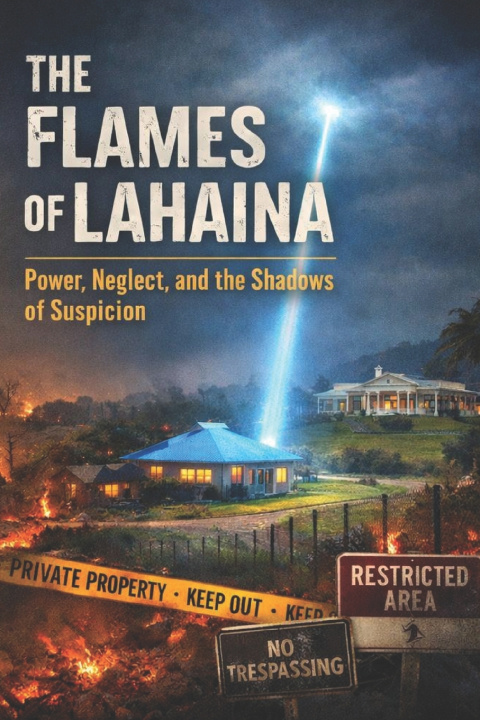
The Flames of Lahaina: Power, Neglect, and the Shadows of Suspicion is a rigorous investigative exposé of the 2023 Maui wildfire that destroyed Lahaina-one of the deadliest and most controversial disasters in modern American history.
This book does not accept official explanations at face value. It reconstructs the catastrophe through public records, survivor testimony, timelines, and constitutional analysis, revealing a pattern of systemic failure that raises profound questions about government responsibility, infrastructure neglect, and accountability under crisis.
From silent warning systems and water failures to blocked evacuation routes, unmanaged fire fuels, and post-disaster land pressures, the narrative examines how preventable vulnerabilities converged into irreversible loss. It confronts unresolved anomalies that officials have not fully addressed, including selective survival patterns, unexplained fire behavior, and disparities in protection and recovery-without speculation, fabrication, or reckless claims.
Written in a documentary, scholarly voice, this book blends investigative reporting with constitutional scrutiny, exploring due process, equal protection, public trust obligations, and the dangers of accountability delayed. It gives survivors a central voice, treats unanswered questions as legitimate public concerns, and exposes how ambiguity and silence can erode trust as surely as flames destroy communities.
This is not a book about rumor. It is a book about what happens when institutions fail to warn, fail to protect, and fail to fully explain-and how those failures shape both tragedy and suspicion.
The Flames of Lahaina challenges readers to confront uncomfortable truths, examine the public record for themselves, and consider what vigilance must mean in an era where disasters are no longer rare-and accountability too often arrives late, if at all.


Informazioni sul libro
Inglese

Regala questo libro oggi stesso
È facile
1 Aggiungi il libro al carrello e scegli la consegna come regalo 2 Ti invieremo subito il buono 3 Il libro arriverà all'indirizzo del destinatarioPotrebbe interessarti anche

 /
In brossura
38.89
€
/
In brossura
38.89
€






 /
In brossura
7.39
€
/
In brossura
7.39
€







 /
In brossura
13.99
€
/
In brossura
13.99
€



 /
Rigido
25.89
€
/
Rigido
25.89
€
 /
Rigido
198.79
€
/
Rigido
198.79
€