
 Contatto
 Come acquistare

Consegna
Guida all'acquisto
 Inglese
 94 b
 In preparazione
 Nuovi
Fino a 30 giorni per il reso

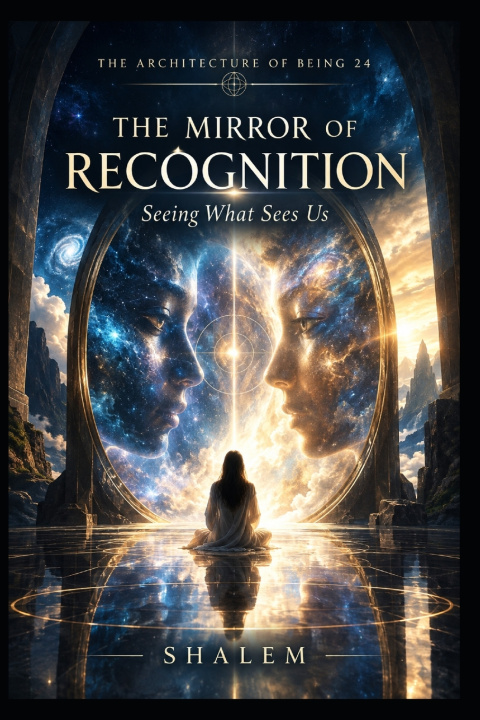
What happens when the things we recognize begin to reveal something about the one who is looking?
A familiar face, a recurring pattern, a difficult relationship, an old memory, or an unexpected resemblance can awaken a powerful sense of recognition. We may feel that we have discovered something important about ourselves or the world. Yet recognition does not always guarantee understanding, and a meaningful connection does not necessarily establish the truth of the interpretation we attach to it.
In The Mirror of Recognition: Seeing What Sees Us, SHALEM explores the subtle relationship between perception, memory, identity, interpretation, and self-understanding. Through the metaphor of the mirror, this book examines how ordinary experiences can reveal aspects of our thinking while reminding us that no single reflection can define the entirety of who we are.
Moving through the mirrors of the self, relationships, memory, language, and creation, the book investigates how we recognize familiar patterns, project expectations onto others, and sometimes mistake an interpretation for a final answer. It considers the ways other people make us visible to ourselves, how our creations reflect the structures of our thinking, and why meaningful symbols and recurring patterns require both curiosity and discernment.
At its heart is a distinction that changes how we approach self-knowledge: a reflection can reveal something without revealing everything.
The book does not ask readers to distrust intuition, abandon symbolism, or reduce experience to cold analysis. Instead, it invites a more balanced approach, one that allows personal meaning and intellectual rigor to coexist. Intuition can guide inquiry, but it does not replace evidence. Memory can illuminate the past, but it is not an infallible record. Another person's perception can offer insight, but it does not possess absolute authority over our identity.
As the inquiry develops, recognition becomes more than an act of observation. It becomes an opportunity to question assumptions, interrupt familiar responses, integrate experience, and make more deliberate choices. The aim is not to discover a permanent definition of the self, but to develop a more honest and flexible relationship with the person we continue to become.
Ultimately, the mirror must release us. We cannot spend our lives examining every reflection, demanding that every encounter explain us, or forcing every mystery into a single framework. Understanding must eventually return us to the world, where our choices, relationships, and conduct give practical expression to what we have learned.
The Mirror of Recognition is a philosophical exploration of seeing and being seen, of discovering meaning without claiming certainty, and of learning to look inward without becoming confined by the image.
The mirror does not tell us who we are. It shows us something we may need to see. What we recognize, what we question, and what we choose to do with that understanding belong to us.


Informazioni sul libro
Inglese

Regala questo libro oggi stesso
È facile
1 Aggiungi il libro al carrello e scegli la consegna come regalo 2 Ti invieremo subito il buono 3 Il libro arriverà all'indirizzo del destinatarioCiao! Sono Libroamiko, il tuo consulente di libri.
Come posso aiutarti?