
 Contatto
 Come acquistare
Consegna
Guida all'acquisto
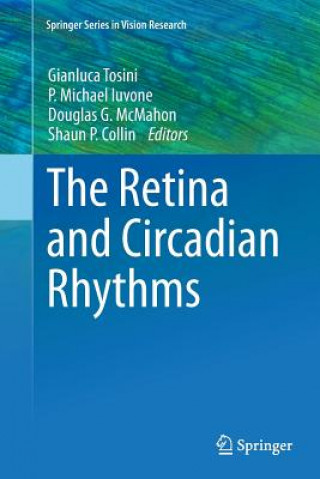
Retina and Circadian Rhythms
 Inglese
 333 b
333 b
Fino a 30 giorni per il reso
I clienti hanno acquistato anche

 /
/
 In brossura
 42.69
€
42.69
€
 /
In brossura
6.99
€
/
In brossura
6.99
€



















 /
In brossura
15.69
€
/
In brossura
15.69
€















 /
Rigido
15.59
€
/
Rigido
15.59
€


Daily rhythms are a ubiquitous feature of living systems. Generally, these rhythms are not just passive consequences of cyclic fluctuations in the environment, but instead originate within the organism. In mammals, including humans, the master pacemaker controlling 24-hour rhythms is localized in the suprachiasmatic nuclei of the hypothalamus (SCN). This circadian clock is responsible for the temporal organization of a wide variety of functions, ranging from sleep and food intake, to physiological measures such as body temperature, heart rate and hormone release. Moreover, accumulating evidence suggests that dysfunction of the circadian rhythms due to genetic mutations or environmental factors (i.e., jet-lag or shift work) contribute to the development of many pathologies, including sleep disorders, mood and affective disorders such as major depression, bipolar disorder and schizophrenia, as well as the risk of metabolic and cardiovascular disorders.


Informazioni sul libro
Inglese

Regala questo libro oggi stesso
È facile
1 Aggiungi il libro al carrello e scegli la consegna come regalo 2 Ti invieremo subito il buono 3 Il libro arriverà all'indirizzo del destinatarioPotrebbe interessarti anche
 /
Rigido
181.09
€
/
Rigido
181.09
€






 /
Rigido
9.19
€
/
Rigido
9.19
€








 /
In brossura
25.89
€
/
In brossura
25.89
€



 /
In brossura
10.99
€
/
In brossura
10.99
€

 /
In brossura
23.69
€
/
In brossura
23.69
€