
 Contatto
 Come acquistare
Consegna
Guida all'acquisto
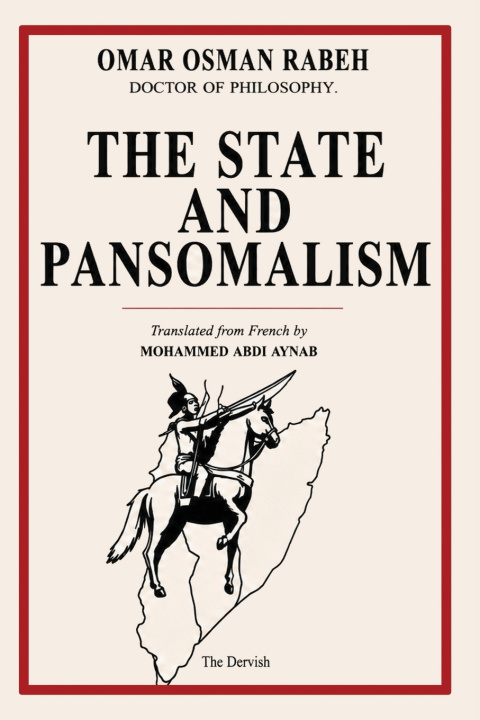
THE STATE AND PAN-SOMALISM
 Inglese
 57 b
57 b
 Nuovi
Nuovi
Fino a 30 giorni per il reso

This English translation of L'État et le Pan-Somalisme (The State and Pan-Somalism) brings Dr. Omar Osman Rabeh's examination of the Somali nation-its history, unity, sovereignty, and future-to a wider international readership.
In this work, Dr. Rabeh presents a series of fundamental ideas concerning the future of the Somali nation, with particular emphasis on the enduring questions of national unity, statehood, and sovereignty.
Central to his analysis is what he identifies as the "Abyssinian project." He examines this concept in depth, tracing what he sees as its historical origins, underlying motivations, internal dynamics, and long-term objectives. Through an analysis of the political and strategic forces that shaped the colonial partition of the Horn of Africa, he argues that these historical processes created a profound and continuing threat to the existence of the Somali nation.
In particularly stark terms, Dr. Rabeh warns of what he believes would be the consequences should the forces he describes as "Abyssinian fascism" ultimately achieve their objectives concerning the Somali people. Drawing a historical comparison with Romania under German occupation and referring to the testimony of Ion I. C. Brătianu, he describes what he sees as the "methodical and systematic destruction of the entire Somali nation." This forceful language reflects the gravity with which the author views the geopolitical dangers confronting Somalia.
Within this broader historical and geopolitical framework, Dr. Rabeh gives particular attention to the role of the "independent portion" of the Somali nation and the responsibilities he believes it carries in the wider pursuit of national unity.
The author also examines what he describes as the "nomadic mentality," which he regards as a significant internal challenge to both national cohesion and effective statehood. He argues that overcoming this mentality requires sustained investment in culture, education, civic responsibility, and national consciousness.
Throughout the book, Dr. Rabeh stresses the importance of understanding the historical and geopolitical forces that have shaped-and continue to shape-the destiny of the Somali people.
Nations pass through defining moments that can determine the course of their history. This book presents the Somali nation as standing at such a crossroads: a moment of profound challenge, but also of choice and possibility.
Ultimately, Dr. Rabeh argues that the future of the Somali people will depend not only on the forces of history and geopolitics, but also on the vision, unity, consciousness, and determination with which Somalis themselves choose to shape their national destiny.


Informazioni sul libro
Inglese

Regala questo libro oggi stesso
È facile
1 Aggiungi il libro al carrello e scegli la consegna come regalo 2 Ti invieremo subito il buono 3 Il libro arriverà all'indirizzo del destinatarioCiao! Sono Libroamiko, il tuo consulente di libri.
Come posso aiutarti?