
 Contatto
 Come acquistare
Consegna
Guida all'acquisto
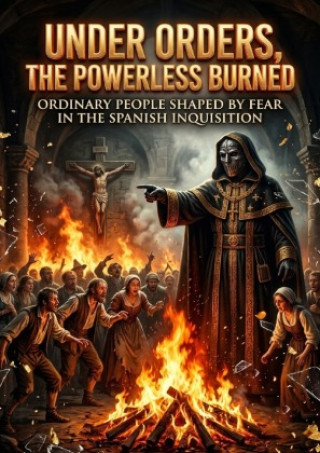
Under orders, the powerless burned
Ordinary people shaped by fear in the Spanish Inquisition.DE
 Inglese
 63 b
63 b
 Nuovi
Nuovi
Fino a 30 giorni per il reso

A summons arriving at dawn. A name whispered in confession. In sixteenth-century Spain, the machinery of religious authority reached into every village, every home, and every conscience. The Spanish Inquisition operated not only as a tribunal of faith but as a system of social control that rewrote the boundaries between public belief and private survival. Through reconstructed cases from Toledo to Valencia, the mechanisms that turned neighbors into informants and priests into interrogators come into focus. The inquisitorial process relied less on theological rigor than on procedural theater-the staging of authority, the slow erosion of certainty, and the calculated use of mercy. Behind each auto-da-fé lay a network of local officials, seized property, and families torn apart by accusation. Jewish and Muslim converts-conversos and moriscos-navigated a world where ancestry could become evidence, adapting, resisting, and sometimes collaborating. This is not a story of fanaticism alone, but of bureaucracy: a system sustained through paperwork, testimony, and the quiet complicity of those who chose not to look away. The Inquisition did not end because Spain grew enlightened, but when its methods no longer served the crown. Its legacy-the memory of surveillance, the weight of orthodoxy-outlasted the tribunals by centuries. A history of power as it was felt from below: in the knock on the door, the missing name from the register, the silence that followed.


Informazioni sul libro
Inglese

Regala questo libro oggi stesso
È facile
1 Aggiungi il libro al carrello e scegli la consegna come regalo 2 Ti invieremo subito il buono 3 Il libro arriverà all'indirizzo del destinatarioCiao! Sono Libroamiko, il tuo consulente di libri.
Come posso aiutarti?