
 Contatto
 Come acquistare
Consegna
Guida all'acquisto
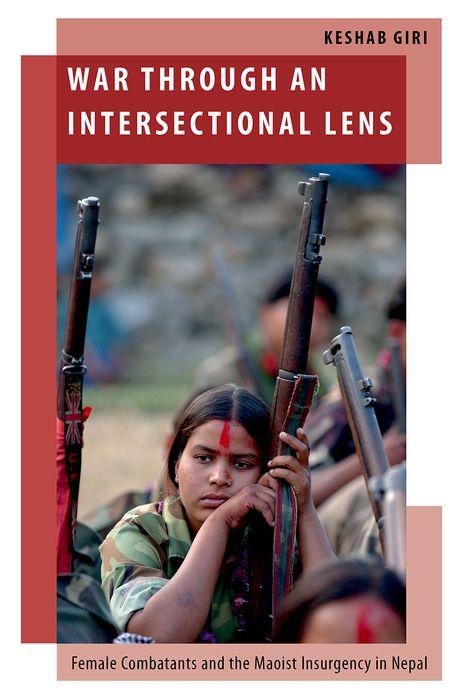
War through an Intersectional Lens
Female Combatants and the Maoist Insurgency in Nepal
 Inglese
 291 b
291 b
Fino a 30 giorni per il reso
I clienti hanno acquistato anche



 /
/
 In brossura
 37.29
€
37.29
€










 /
Rigido
184.69
€
/
Rigido
184.69
€






 /
In brossura
33.59
€
/
In brossura
33.59
€






In War through an Intersectional Lens, author Keshab Giri looks at how women combatants experience “pre-war,” “war,”and “post-war” both in public and private spheres by using intersectionality bothas a theoretical framework and methodological tool. Featuring thirty-nine in-depth interviews with Maoist femaleex-combatants, their leaders, and experts in Nepal between 2017 and 2018, this book is complemented by extensivearchival research, wide-ranging primary and secondary sources such as key Maoist statements and policy documents from the war era, memoirs of women ex-combatants, media sources, and academic literature.Giri ultimately finds that female combatants’ experiences of “pre-war,> “war,” and “post-war,” both in public and private spheres, are conditioned by their interlocking systems of oppression and identities such as class, caste, ethnicity, social status, educational status, and geographical location. He makes animportant contribution to the feminist IR literature, feminist security studies, and makes significant policy implications, particularly concerning reintegration of female combatants, peacebuilding, and the Women Peace and Security agenda.


Informazioni sul libro
Inglese

Regala questo libro oggi stesso
È facile
1 Aggiungi il libro al carrello e scegli la consegna come regalo 2 Ti invieremo subito il buono 3 Il libro arriverà all'indirizzo del destinatarioPotrebbe interessarti anche












 /
In brossura
14.49
€
/
In brossura
14.49
€


 /
In brossura
106.09
€
/
In brossura
106.09
€









Ciao! Sono Libroamiko, il tuo consulente di libri.
Come posso aiutarti?