
 Contatto
 Come acquistare
Consegna
Guida all'acquisto
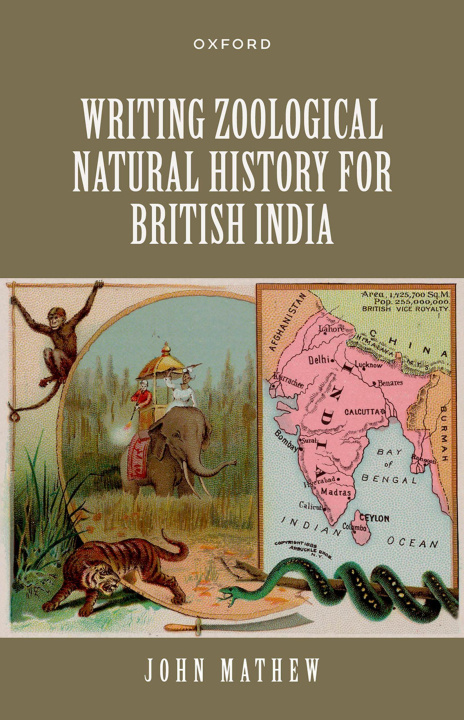
Writing Zoological Natural History for British India
 Inglese
 434 b
434 b
Fino a 30 giorni per il reso
I clienti hanno acquistato anche






 /
/
 In brossura
 15.19
€
15.19
€












 /
In brossura
22.29
€
/
In brossura
22.29
€














This book examines the critical role played by colonial peripheries, specifically British India, in shaping the development of zoology and other disciplines emerging from 19th-century natural history. Through an analysis of publications such as the monumental Fauna of British India series (1888-1949), it explores how zoology became a site of contestation between European metropolitan centres and colonial territories. While taxonomy and comparative anatomy dominated scientific endeavours in Europe, colonial naturalists-primarily European expatriates-engaged in a localized form of natural history and taxonomy that significantly influenced the field. Central to this narrative is the figure of the ''translocate,'' a term introduced to describe Europeans who lived and worked extensively in colonial contexts. These intermediaries bridged colonial and metropolitan scientific communities, asserting dual authority: they claimed a superior understanding of the local environment while navigating and often dismissing indigenous knowledge systems within an asymmetrical power dynamic. By doing so, it repositions the colonial periphery as a critical space in the global development of zoological knowledge, highlighting the complex interplay of authority, power, and knowledge production during the colonial era.


Informazioni sul libro
Inglese

Regala questo libro oggi stesso
È facile
1 Aggiungi il libro al carrello e scegli la consegna come regalo 2 Ti invieremo subito il buono 3 Il libro arriverà all'indirizzo del destinatarioPotrebbe interessarti anche

 /
In brossura
12.19
€
/
In brossura
12.19
€

 /
In brossura
26.59
€
/
In brossura
26.59
€
 /
In brossura
9.89
€
/
In brossura
9.89
€



 /
In brossura
54.59
€
/
In brossura
54.59
€









 /
In brossura
27.79
€
/
In brossura
27.79
€


 /
/
 Calendario
29.69
€
Calendario
29.69
€

Ciao! Sono Libroamiko, il tuo consulente di libri.
Come posso aiutarti?